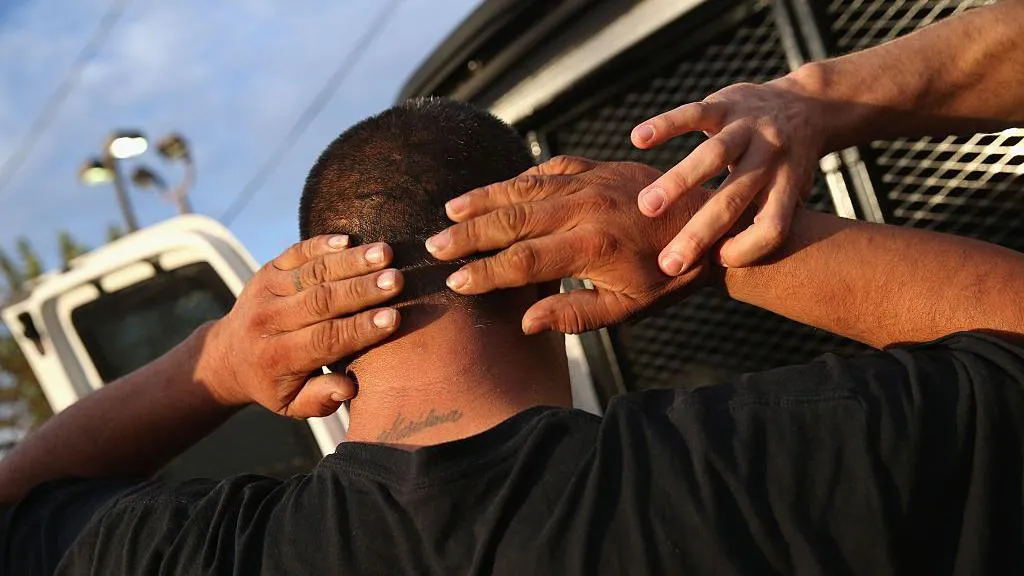

Plans of mass deportations under the Trump administration has sparked widespread anxiety among the estimated 13 million undocumented migrants in the United States.
This policy approach is not entirely new, as previous administrations have implemented deportation strategies, albeit with different priorities. Understanding these policies, their potential impacts, and how individuals and communities can navigate the challenges is crucial in this evolving landscape.
Recall that Donald Trump during his campaign had pledged to deport enmasse those who pose a threat to public safety or national security. His administration also pledged to revive workplace raids and extend operations far beyond border regions.
While public safety is a stated priority, experts caution that the logistics and costs involved in such operations are formidable obstacles. Historically, deportations have focused on apprehending individuals at or near border areas, a less resource-intensive approach.
Reactions among undocumented migrants vary. Some, like Gabriela, a Bolivian housekeeper, remain optimistic, believing they are not primary targets due to their law-abiding nature. However, others express significant fear, particularly families with mixed legal statuses. Parents worry about separation from their US-born children, a reality that could have devastating emotional and financial consequences.
Mass deportations are not unique to Trump’s policy. President Obama oversaw three million deportations during his tenure, earning him the moniker “deporter-in-chief.” President Biden, too, deported over 1.5 million people, largely focusing on border enforcement. Trump’s proposed policies, however, extend beyond borders, potentially creating a new wave of deportations across the nation.
However, legal experts warn about collateral arrests—cases where individuals not initially targeted are detained during raids. For instance, a raid aimed at apprehending a criminal could lead to the arrest of undocumented roommates or family members. Such practices heighten the vulnerability of undocumented individuals, even those without criminal records.
Undocumented migrants contribute significantly to the US economy, working in sectors like agriculture, construction, and hospitality. Despite paying taxes, their lack of legal status renders them easy targets for enforcement. Critics argue that prioritizing such individuals undermines their economic contributions and stability within their communities.
Programs like DACA (Deferred Action for Childhood Arrivals) offer temporary reprieve for certain groups, such as “Dreamers” who arrived as children. However, these protections are limited and often leave families in a precarious position. For instance, Brenda, a Texas resident, lives in fear that her husband, who lacks legal protections, could be deported, leaving their US-born children without a parent.
Mass deportations impact not just the undocumented but entire communities, including citizens. Fear of raids disrupts daily life, deterring individuals from seeking essential services or engaging with local authorities. Moreover, such policies often strain local economies dependent on immigrant labor and contribute to societal divisions.
Organizations like the American Immigration Council advocate for a balanced approach to immigration enforcement. They stress the importance of legal representation for migrants and urge policymakers to prioritize humane and sustainable solutions.