
Healthcare policies must hit the mark.
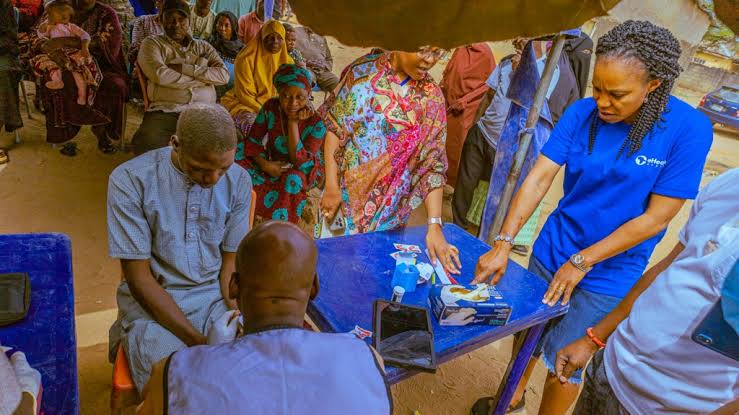
Nigeria’s healthcare system faces substantial challenges, particularly in serving marginalized groups like rural communities, low-income populations, and vulnerable groups. Despite the country’s promising economic potential, barriers to health access remain complex and interwoven; prompting the need for urgent, targeted interventions to support those who lack access to essential services.
Underlying Problems
One major issue is the limited number of operational primary health centers (PHCs) in rural areas, often the sole access point for healthcare. Many PHCs are underfunded, lacking essential staff and equipment, which forces patients to seek care in urban centers—an unfeasible option for most rural residents. Additionally, funding allocations are lower than recommended by the Abuja Declaration, which calls for health to constitute 15% of the national budget.
In 2024, Nigeria allocated only about 4.83% of its budget to health, a figure that constrains the ability to fully equip these facilities and expand healthcare reach nationwide.
Out-of-pocket payments further hinder access, with 90% of Nigerians bearing the full cost of care themselves. This creates a severe burden on poor households, often forcing them to forgo treatment or fall into poverty to cover medical expenses. Insurance coverage remains scarce, as only around 3% of Nigerians are insured, primarily through employer-provided plans that don’t benefit low-income workers. Micro health insurance schemes, like WellaHealth, aim to fill this gap by providing affordable coverage options for common ailments, but wider adoption and government support are needed to scale these efforts effectively.
Another Usual Suspect
Corruption within the healthcare system is another systemic obstacle. Resource mismanagement and diversion of funds intended for healthcare facilities have left many PHCs in a state of disrepair. The government’s recent initiatives to reform healthcare financing, such as restructuring the Basic Healthcare Provision Fund (BHCPF), reflect a commitment to improved accountability and transparency. This fund aims to increase the number of operational PHCs and direct $3 billion into primary healthcare by 2026, with hopes that strict oversight will ensure that funds are used effectively.
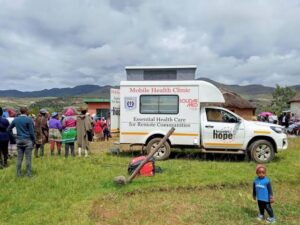
Mobile health clinics have emerged as a practical solution to the infrastructure gap in remote areas. By bringing essential services like vaccinations, maternal care, and basic diagnostics directly to communities, these clinics reduce both travel costs and the time patients spend seeking care. Partnerships with non-governmental organizations and state governments have driven mobile clinic success in states like Kaduna and Lagos, where mobile units provide accessible, affordable services that benefit underserved populations.
What needs to Change
Leadership changes within Nigeria’s health ministry, including the appointment of health-focused ministers and advisors, suggest that the government is prioritizing healthcare reform.
This renewed focus aligns with the “Renewed Hope Agenda,” which is timed at addressing the health sector’s long-standing inefficiencies. This leadership has expressed a commitment to universal health coverage (UHC), focusing on resource allocation and staff retention, critical for achieving sustainable healthcare improvements.
The “brain drain” of healthcare professionals poses an additional hurdle. Many Nigerian healthcare workers migrate for better opportunities abroad, driven by low wages and challenging working conditions. To address this, the government is looking to improve retention strategies, including fair compensation and professional development opportunities, while encouraging skilled diaspora professionals to reinvest in Nigeria’s healthcare sector.
For marginalized communities, the current changes could provide better access to care and a more equitable healthcare system if implemented effectively.
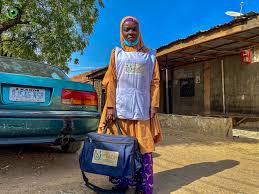
However, achieving this goal requires a multifaceted approach: investing in rural healthcare infrastructure, expanding affordable insurance options, strengthening governance, and improving workforce conditions.
With these steps, Nigeria can build a healthcare system that meets the needs of all its citizens, closing the gap for marginalized populations.