COP29: An Opportunity to Tackle Malnutrition and Boost Growth through Climate Action

The stakes are higher than ever.
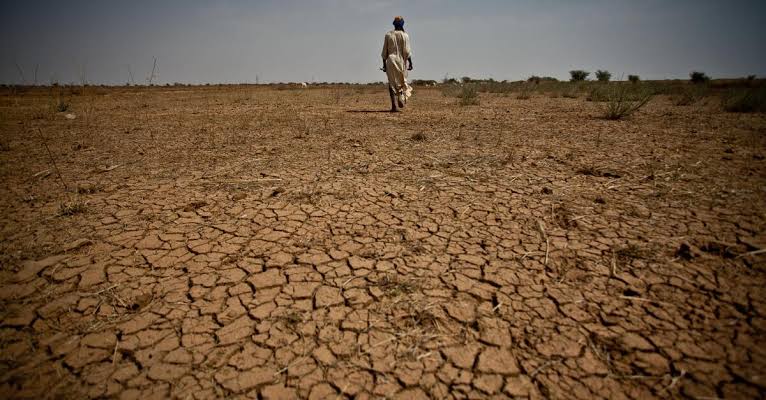
Climate change, once viewed as a distant environmental issue, now has a direct impact on human health, food security, and economic stability. The consequences are particularly severe for vulnerable populations, who are increasingly facing the dual crises of climate-induced malnutrition and poverty.
As the world heads to COP29 in Azerbaijan,it is believed that with thoughtful leadership, the forum could serve as a platform for nations to commit to both mitigating climate change and addressing its human impacts in ways that foster sustainable growth.
The Growing Crisis of Climate-Linked Malnutrition
Climate change is worsening global malnutrition, a crisis that already affects millions. As extreme weather events disrupt food production, nutritious crops become scarcer, and prices soar. Droughts, floods, and unpredictable growing seasons are making it harder for communities, especially in developing regions, to secure a stable food supply. Children are among the hardest hit, with malnutrition leading to stunted growth, weakened immune systems, and reduced cognitive development—issues that will have long-term effects on societies.
How Climate Action Can Address Malnutrition
Despite the challenges, COP29 offers a unique chance to combat malnutrition through climate-smart agricultural practices. By investing in drought-resistant crops, climate-adaptive farming techniques, and resilient food systems, governments can help communities stabilize food production even as the climate shifts. Strategies like crop diversification, soil management, and water-efficient irrigation are not only environmentally beneficial but also help ensure a more reliable supply of nutritious food, reducing hunger and malnutrition.
Azerbaijan’s Role as COP29 Host
Hosting COP29 places Azerbaijan in a strategic position to influence the climate conversation. While traditionally reliant on fossil fuels, Azerbaijan has already begun exploring clean energy, including solar and wind power, and has the potential to transition to a more diversified and sustainable economy. As the COP29 host, Azerbaijan can set an example by showing how investment in green technology can create jobs, stabilize economies, and reduce dependency on fossil fuels. This leadership could encourage other fossil-fuel-dependent nations to consider similar pathways.
The Intersection of Climate Goals and Economic Growth
Azerbaijan has an opportunity to use COP29 to promote policies that link climate action with economic growth. Investing in renewable energy infrastructure not only reduces emissions but also creates jobs and fosters economic resilience.
By focusing on clean energy and green job creation, Azerbaijan and other nations can reduce the economic strain of climate change while enhancing public health and food security. Moreover, this approach aligns with the UN’s Sustainable Development Goals (SDGs), helping nations grow sustainably while tackling climate-related challenges.
Why Malnutrition Needs to Be a Central Topic at COP29
Malnutrition has historically been underrepresented at climate talks, yet it’s a crisis intertwined with climate change. Food insecurity is a primary cause of malnutrition, and as climate impacts worsen, access to nutritious food is increasingly threatened. COP29 provides a chance to address malnutrition as both a humanitarian and environmental issue, pushing for policies that protect vulnerable communities from climate impacts while enhancing global food security.
Scaling Up Climate-Resilient Agriculture
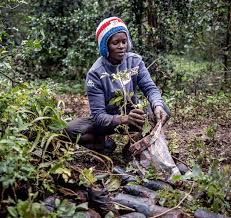
Implementing climate-resilient agricultural practices at scale is essential for tackling food insecurity. Governments can prioritize research into resilient crop varieties, promote agroforestry, and provide training for smallholder farmers. These initiatives don’t just improve food production—they also strengthen local economies and reduce vulnerability to climate shocks.
At COP29, international collaboration can help pool resources and knowledge, bringing scalable solutions to communities most affected by food insecurity.
The Importance of Renewable Energy Investment
By investing in renewable energy, countries can reduce carbon emissions and free up resources that can be redirected toward addressing health and malnutrition. Renewable energy projects are often more accessible and sustainable for remote communities, offering reliable power that supports everything from local food production to healthcare. Azerbaijan’s commitment to renewables could set a powerful precedent, proving that sustainable energy investment benefits both the environment and the economy.
Funding Climate-Health Solutions
Addressing malnutrition in a changing climate will require funding. At COP29, wealthier nations have a responsibility to provide financial and technical support to developing countries, enabling them to implement climate-adaptive health and food programs. Green finance mechanisms, such as climate bonds or blended finance, could support projects that directly reduce malnutrition and improve resilience.
A renewed commitment to climate funding could enable transformative changes in health and nutrition for communities most affected by climate impacts.
Building Community Resilience Through Local Action
Local initiatives play a critical role in creating resilience against climate-induced food insecurity. Community-led projects—such as sustainable farming cooperatives, local food banks, and nutrition education programs—can help buffer communities against the worst impacts of climate change. At COP29, leaders could support these initiatives by pledging funding and resources, fostering a bottom-up approach to resilience that empowers communities to take ownership of their climate response.
The Role of Global Partnerships
Solving the malnutrition crisis requires global collaboration. International partnerships between governments, NGOs, and the private sector can bring innovative solutions to regions most vulnerable to climate change. Initiatives that share knowledge, technology, and funding across borders can accelerate the adoption of climate-resilient food systems. COP29 represents a pivotal moment for forming alliances that support countries facing severe climate-related food insecurity, and Azerbaijan’s leadership will be key in bringing stakeholders together.
A Call for Immediate Action
As climate change escalates, the urgency of addressing its human impacts cannot be overstated. COP29 presents an opportunity to act decisively, putting people at the center of climate policy. By prioritizing health, nutrition, and economic resilience, global leaders can address the immediate needs of vulnerable populations while building a sustainable future. This approach not only addresses climate change but also creates a more equitable world where everyone has access to nutritious food and stable livelihoods.
COP29 has the potential to be a landmark event where countries unite around a shared vision of resilience. Addressing climate change is no longer just an environmental imperative; it’s a fundamental aspect of human welfare.
By fostering sustainable development, tackling malnutrition, and promoting clean energy, COP29 can help lay the groundwork for a future where both people and the planet thrive.
This conference could be the turning point where the world collectively commits to building resilience, ensuring that no one is left behind as we adapt to the climate challenges ahead.