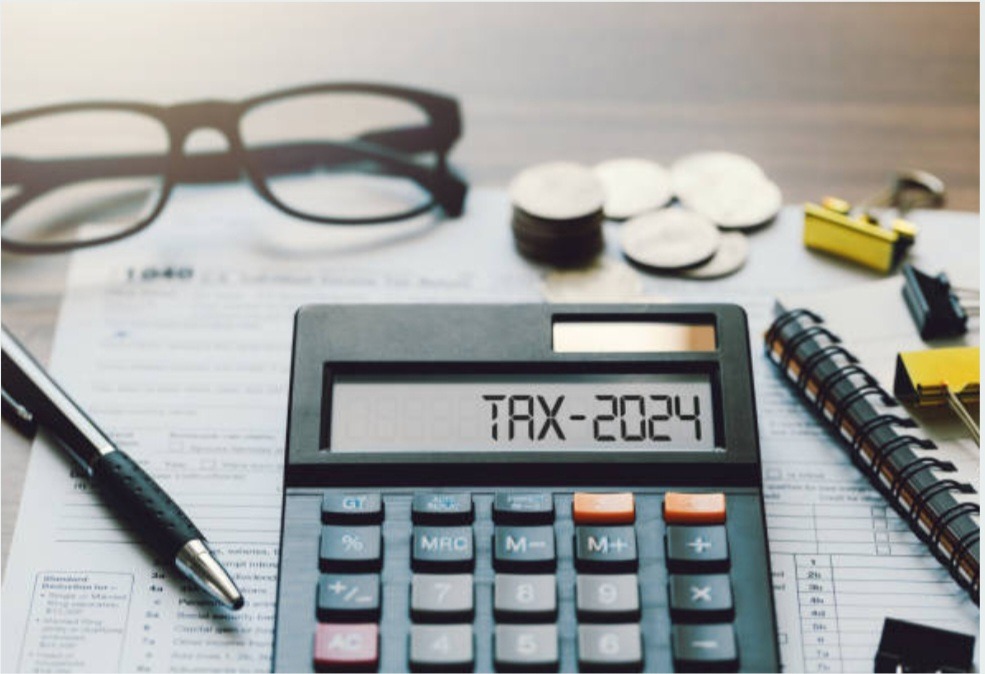

Tax invasion is a drawback.
A recent report by the Civil Society Legislative Advocacy Centre (CISLAC) has brought to light a concerning trend: 99% of the wealthiest Nigerians are evading taxes!
Oops!
This revelation has sparked a national dialogue, highlighting systemic issues within the country’s tax system and the widening gap between the affluent and the everyday citizen. The findings suggest that despite their significant wealth, many of Nigeria’s richest individuals are not contributing their fair share to the nation’s revenue.
Tax evasion among Nigeria’s elite has been an open secret for years, but CISLAC’s report provides concrete evidence, indicating that the rich exploit loopholes and weak enforcement to avoid paying taxes. This behavior denies the government essential revenue needed for critical sectors such as healthcare, education, and infrastructure. It also fuels a sense of injustice among ordinary Nigerians, who are left to shoulder the tax burden.
Who to Blame
The Nigerian tax system has long been criticized for its inefficiency. Experts argue that the process lacks transparency, making it easy for wealthy individuals to manipulate their financial records. Furthermore, regulatory bodies have struggled to enforce tax laws, allowing many to escape accountability. CISLAC’s report emphasizes the need for robust reforms to plug these loopholes and ensure the affluent pay their dues.
This tax evasion culture has far-reaching implications. By avoiding taxes, the rich effectively limit the government’s ability to fund development projects, exacerbating issues such as poor infrastructure and low-quality public services. In a country where poverty levels are high, this creates a stark contrast between the lifestyles of the wealthy elite and the struggles of the average Nigerian.
One major factor enabling tax evasion is the use of tax havens. According to the report, many wealthy Nigerians hide their assets in foreign accounts, taking advantage of lenient tax policies in other countries. This practice not only drains Nigeria’s economy but also suggests a lack of patriotism among the nation’s wealthiest.
What Next?
Calls for action are growing louder. Advocacy groups and economic experts are urging the government to tighten regulations and ensure stricter monitoring of high-net-worth individuals. They argue that tax compliance among the wealthy could significantly boost national revenue, which can be reinvested in social services and infrastructure development.
The government, for its part, has made several attempts to curb tax evasion. Initiatives such as the Voluntary Assets and Income Declaration Scheme (VAIDS) were introduced to encourage tax compliance. However, these measures have seen limited success, largely due to weak enforcement and a lack of political will. Critics believe that more decisive action is needed, including stricter penalties for evaders.
Another suggestion is to overhaul the entire tax system, making it more progressive. In a progressive tax system, those who earn more pay a higher percentage of their income in taxes. Implementing such a structure could help ensure that the wealthy contribute more to the national purse, thereby reducing inequality and promoting fairness.
The report also highlights the importance of public awareness. Many Nigerians do not fully understand the impact of tax evasion on national development. By educating citizens about the benefits of tax compliance and the need for everyone, regardless of wealth, to contribute, there could be greater public support for reforms.
Moreover, the issue is not just about legislation but also about a cultural shift. Wealthy Nigerians need to see tax compliance not just as a legal obligation but as a civic duty. A collective effort to change attitudes towards taxation is crucial in building a more equitable society.
CISLAC’s findings have ignited a much-needed conversation, and the ball is now in the government’s court to act. If reforms are not swiftly implemented, Nigeria risks continuing down a path of inequality, where the rich get richer and the poor remain in perpetual struggle.