

It’s economics 101.
Nigeria’s agricultural sector is poised for a major boost following a strategic partnership between the federal government and the Trans Sahara Consortium to enhance soybean and sugarcane production.
This collaboration is set to impact the Nigerian economy significantly by not only promoting food security but also bolstering economic growth through value addition and export potential.
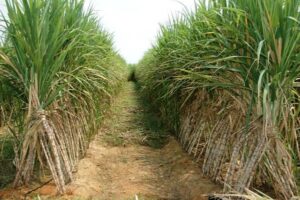
One of the key components of this initiative is the cultivation of three million hectares of soybean.
Soybean, a crop with diverse uses, is essential in both the food and industrial sectors. It plays a critical role in the production of edible oil, animal feed, and other food products. Increased local production will reduce the country’s reliance on imports, saving foreign exchange and helping stabilize the economy.
Similarly, sugarcane processing plants will be established under the initiative, producing millions of tonnes of sugar for both domestic consumption and export. This move is expected to reduce the sugar import bill and create a strong export market, thereby boosting Nigeria’s non-oil revenues.
The project also stresses on empowering local farmers, creating jobs, and increasing productivity across the agricultural value chain. In other words, by processing sugarcane and soybeans locally, Nigeria can add value to these raw materials, reducing post-harvest losses and increasing profitability for farmers and stakeholders alike.
Minister of Finance, Wale Edun, noted that this partnership aligns with President Bola Tinubu’s agenda of enhancing food security and promoting economic diversification. The Trans Sahara Consortium’s projects aim to tackle Nigeria’s trade deficit while promoting agro-industrial growth, further solidifying the country’s position in the global agricultural market.
Back End Benefits
Increased production of soybean and sugarcane will also have ripple effects on the manufacturing sector, particularly in industries dependent on these raw materials. This could lead to the growth of downstream industries, such as food processing and biofuel production, further strengthening the country’s economic base.
Additionally, this partnership reflects the federal government’s broader strategy to promote sustainable agriculture and reduce food imports. By focusing on critical crops like soybeans and sugarcane, Nigeria is positioning itself for long-term agricultural resilience, which is crucial for both food security and export earnings.
The collaboration places emphasis on the role of private-sector involvement in Nigeria’s economic transformation. By working with the Trans Sahara Consortium, the government is opening doors for more investments in the agricultural sector, ensuring that both smallholder farmers and large agribusinesses benefit from this initiative.
Ultimately, this soybean and sugarcane project is expected to drive Nigeria’s economic development by fostering growth in agriculture, reducing import dependency, and creating a solid foundation for industrial growth.