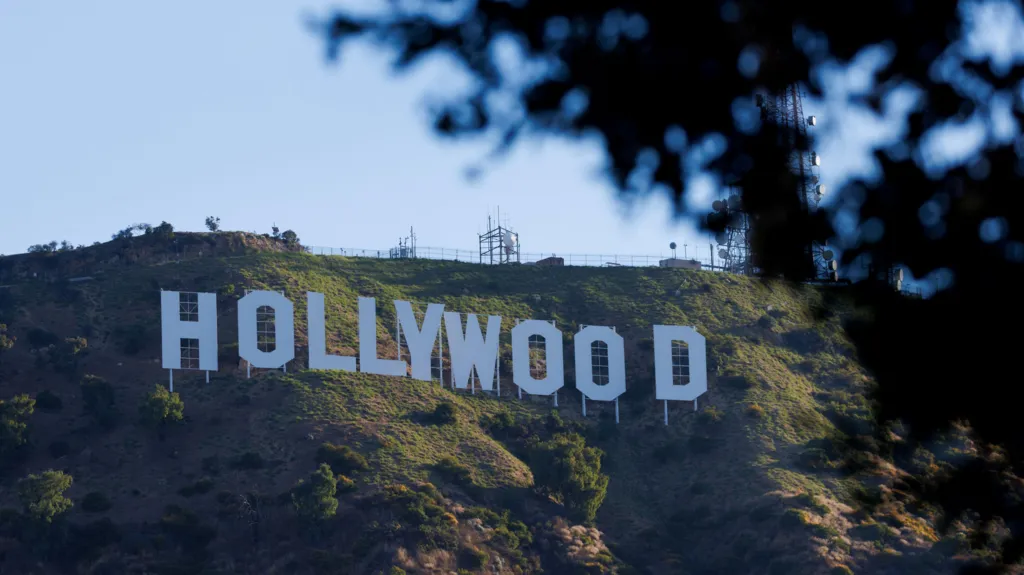

Is creativity gradually losing its steam in Hollywood?
Hollywood’s once-booming creative industry has taken a significant hit following the strikes by writers and actors that began in May 2023. The strikes, which lasted for several months, marked the first joint action by both groups since the 1960s, leading to a complete halt in production. Despite the resolution of the strikes over a year ago, the industry has struggled to regain momentum, with fewer productions and increasing layoffs. The impact has been widespread, affecting not only those in front of the camera but also workers like Michael Fortin, a drone cinematographer who once thrived during Hollywood’s golden age of streaming.
According to the BBC, Fortin, who had built a successful business filming aerial shots for streaming giants like Netflix, Amazon, and Disney, has faced severe setbacks since the strikes.
Once at the center of the industry’s streaming boom, he is now facing financial ruin, having been evicted from his home in Southern California and unable to find consistent work. The story of his struggles has become a symbol of the broader decline in employment opportunities within Hollywood’s creative sectors.
The decline in production has resulted in significant job losses, with recent data showing unemployment in the film and TV industry at 12.5%. However, experts believe the real figure is much higher, as many workers are ineligible for unemployment benefits or have exhausted them after months without work. As of the second quarter of 2024, US film and TV production was down by about 40% compared to 2022, with a global decline of 20%. This drop has left fewer new movies and TV shows, exacerbating the employment crisis.
One of the primary factors behind this downturn is the bursting of the streaming bubble. The surge in streaming content, fueled by Wall Street’s optimism and record growth by companies like Netflix, led to an unsustainable rise in production. Studios, in their rush to compete, overextended themselves, resulting in an “overheating” of the content market. When the stock market stopped rewarding this strategy, studios like Paramount faced financial setbacks, triggering layoffs and production cuts.
Another contributing factor is the migration of productions out of California to states and countries offering more attractive tax incentives. The exodus has prompted Los Angeles Mayor Karen Bass to establish a task force to create new incentives for film production in Hollywood, recognizing the entertainment industry’s crucial role in the city’s economy. The industry contributes over $115 billion annually and provides employment to more than 681,000 people, underscoring the urgency of reviving local production.
Despite the ongoing challenges, some in Hollywood remain optimistic about a recovery. Duncan Crabtree-Ireland, chief negotiator for the Screen Actors Guild, acknowledges that consolidation in Hollywood was inevitable but believes that production will eventually pick up. He emphasizes the unique value that creative talent brings to the industry, which remains central to Hollywood’s ability to innovate and captivate audiences.
For Michael Fortin, however, the reality remains bleak. Once flying drones nearly every day, he has only worked 22 days since the strikes ended, and his acting gigs have been few and far between.