
Policies must be localized to accommodate climate change realities.
The African Policy Research Institute (APRI) has therefore called on Nigerian policymakers to accelerate the integration of climate action into the nation’s economic planning and budgeting frameworks. This shift, the institute argues, is essential for enhancing the country’s climate resilience while attracting much-needed global financial support for climate initiatives.

Despite Nigeria’s commitment to combating climate change, APRI highlighted that the country has struggled to secure sufficient climate finance. The institute believes that mainstreaming climate considerations across all sectors of the economy will be critical to building a sustainable, climate-resilient society and meeting the nation’s development goals. Climate finance is not only a matter of environmental protection; it is also crucial for economic stability and growth.
Nigeria Focal Person at APRI,Chibuikem Agbaegbu emphasized these points during a stakeholder dialogue and collaboration workshop in Abuja. He noted that Nigeria must effectively implement its National Climate Change Policy (2021-2030) and overcome significant barriers to securing climate finance from global markets. He also explained that the landscape for finance and geopolitics is shifting as the effects of climate change intensify, pushing environmental, social, and governance (ESG) considerations to the forefront for accessing international finance.
Agbaegbu stated that countries aiming to attract climate finance must demonstrate concrete progress in mainstreaming climate action, which includes developing clear policies, effective stakeholder coordination, and improving the enabling environment for climate investments. However, findings from APRI show that Nigeria faces considerable challenges in achieving this. Lack of policy coherence, inadequate coordination, and disjointed planning across government institutions have created obstacles to aligning the country’s climate strategies with international finance standards.
The Underlying Threats
The lack of unified climate action strategies poses a threat to Nigeria’s health and development, especially given the growing climate-linked emergencies across Africa.
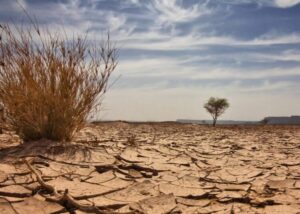
According to the World Health Organization (WHO), in 2023 alone, more than 15,000 people died due to extreme weather events, while droughts affected over 88 million people across six African countries. Dr. Matshidiso Moeti, WHO Regional Director for Africa, pointed out that the region is home to six of the top ten most disaster-affected countries in the world. This emphasizes the urgent need for comprehensive national health adaptation plans.
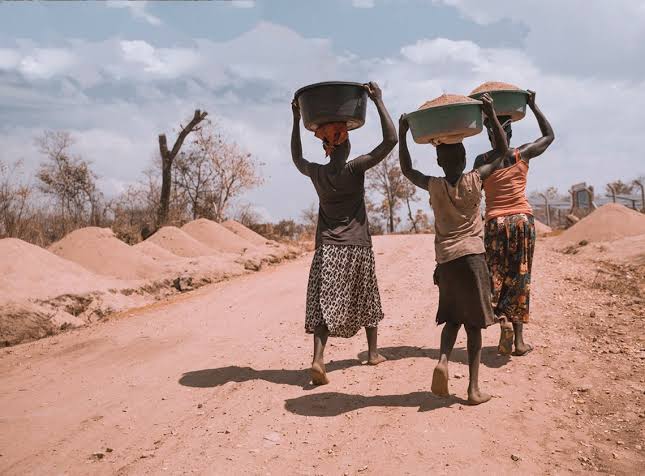
Nigeria’s vulnerability to climate-related disturbances is particularly evident given its diverse geography, ranging from the arid north to the tropical south. This extensive geographical range makes the country highly susceptible to climate-induced disruptions, with serious repercussions for both current and future generations. The impact on health is critical, with non-communicable and infectious diseases on the rise as environmental conditions deteriorate due to climate change.
The World Health Organization (WHO) has noted that climate change is already contributing to increased illness and fatalities in Nigeria due to rising temperatures, fluctuating rainfall, and more frequent extreme weather events. The WHOalso estimates that over 13 million deaths annually are avoidable, directly or indirectly linked to environmental causes, including climate change. As climate-related health challenges grow, the need for urgent action to address these impacts has never been more pressing.
Therefore…
To ensure Nigeria can effectively respond to these challenges, integrating climate resilience into health and economic policies is crucial. By developing robust health adaptation plans and ensuring cohesive climate action across sectors, Nigeria can build a sustainable future while attracting the global climate finance necessary to support these ambitious goals.