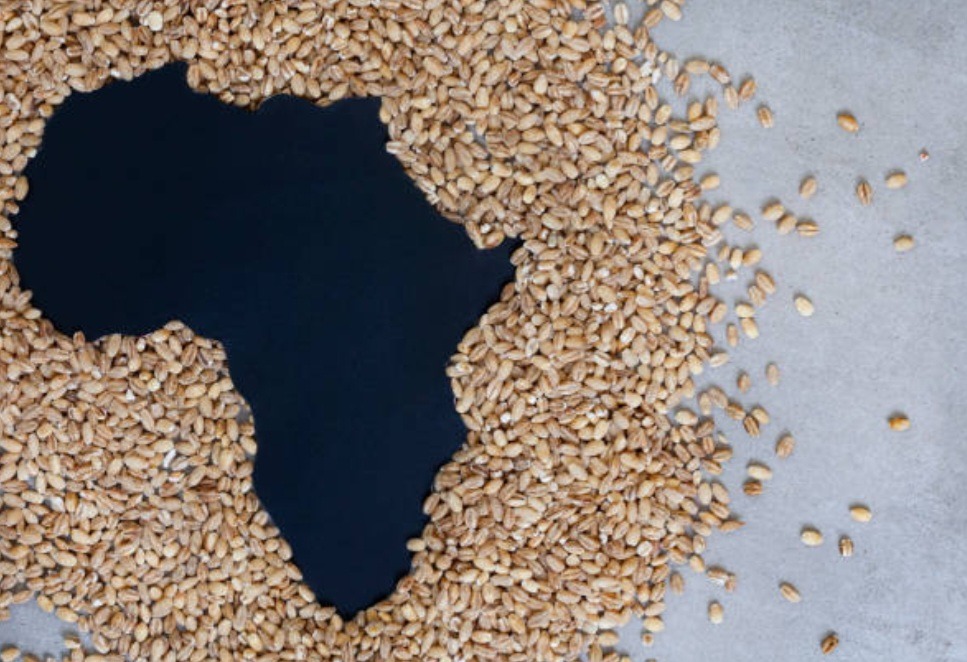

Africa is struggling in abundance. Why?
Africa’s agricultural landscape presents a paradox: despite the efforts of 41 million farmers, the continent still struggles to produce enough food for its growing population.
The challenges are complex, ranging from poor access to modern farming technologies to unpredictable climate conditions. According to the UN Food and Agriculture Organization (FAO), nearly 257 million people in Africa experience hunger, despite agriculture accounting for over 32% of the continent’s GDP. This mismatch highlights critical gaps in farming practices and infrastructure, limiting Africa’s potential to harness its vast arable land effectively.
One major issue is the reliance on smallholder farming systems, where over 80% of food production comes from small-scale farms. Yet, these farmers often lack access to quality seeds, fertilizers, and irrigation systems. “Our yield per hectare is one of the lowest in the world,” said agricultural economist Dr. Sam Agbaje, explaining the pressing need for better resource allocation. Modern farming tools could increase crop yields by 50%, but many farmers cannot afford them due to high costs and inadequate governmental support.

The Hazards of Climate Change
Climate change exacerbates this situation, leading to irregular rainfall, droughts, and floods that threaten crop yields. Recent data shows that droughts have reduced agricultural productivity in sub-Saharan Africa by nearly 30%. “We are facing a food security crisis,” said Fatou Batta, an agronomist with the International Institute of Tropical Agriculture. She noted that without swift adaptation strategies, millions more will face food shortages.
Moreover, post-harvest losses present a significant hurdle. Experts estimate that Africa loses about 30% of its food production annually due to poor storage, transportation, and processing facilities. This loss alone could feed over 300 million people, according to a World Bank report. Investments in better logistics and cold chain solutions could reduce these losses, but progress remains slow.
The African Union’s Malabo Declaration aimed to end hunger by 2025, but recent reports suggest that the continent is far from achieving this goal. According to the African Development Bank (AfDB), agricultural productivity must increase by at least 60% for the continent to meet its food demands by 2050. Yet, without scaling up investments in rural infrastructure and farmer education, this target seems increasingly difficult to meet.
In addition, international trade policies and market access issues further complicate the agricultural scene. Many African farmers cannot compete in global markets due to high tariffs and subsidies in Western countries.
“We need fair trade policies that allow African produce to compete globally,” said Kwame Awuah, a Ghanaian farmer and agribusiness owner.
However, there are glimmers of hope. Initiatives like Nigeria’s Anchor Borrowers Programme (ABP) are helping smallholder farmers access credit, improve inputs, and boost rice production. According to the Central Bank of Nigeria, this program has increased rice production by 70%, reducing the country’s reliance on imports. Similar efforts in countries like Kenya and Ethiopia have also shown positive results.
Embracing Working Models
Despite these efforts, the overall picture remains challenging. Experts agree that Africa must adopt innovative solutions like precision agriculture, renewable energy for irrigation, and digital tools to boost productivity. “Technology is the future of farming in Africa,” said Dr. Helen Mukasa, a researcher at the African Agricultural Technology Foundation. She stressed that connecting farmers with real-time data and modern practices could significantly improve food security.
Essentially, while Africa’s farmers are at the heart of the continent’s food system, structural reforms and greater investment are equally necessary to bridge the gap between production and consumption. Only then can Africa unlock its full agricultural potential and ensure food security for future generations.