Biotechnology: A Game-Changer in the Fight Against Climate Change

Experts are exploring new technologies that could hold the key to reversing the damage posed by escalating climate disorders.
One of these means is Biotechnology. This method which is primarily associated with advancements in agriculture and medicine, is now being recognized as a powerful tool in combating global warming. With rising temperatures, unpredictable weather patterns, and declining biodiversity, stakeholders are advocating for the widespread adoption of biotech solutions to address these pressing challenges.
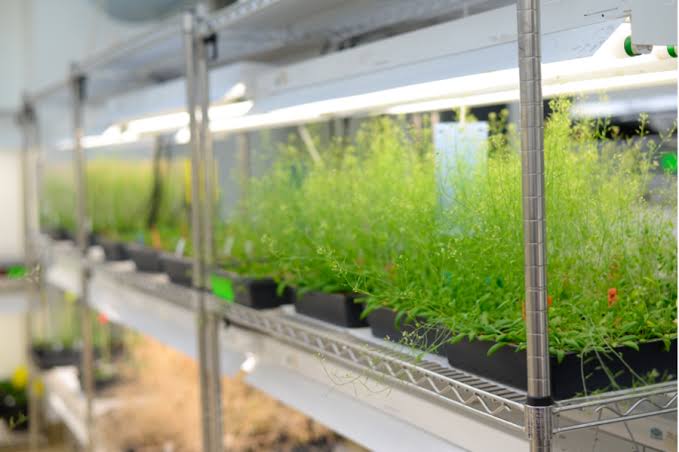
One of the most promising applications of biotechnology is in the development of climate-resilient crops. Traditional agriculture is highly vulnerable to extreme weather conditions such as droughts, floods, and heatwaves—events that are becoming more frequent due to climate change. Through genetic modification and other biotechnological methods, scientists are now able to engineer crops that can withstand harsh environmental conditions. These climate-smart crops have the potential to ensure food security in regions that are most at risk from climate-induced disasters.
Furthermore, biotechnology offers the potential to reduce the carbon footprint of agriculture. Fertilizer use and livestock farming contribute significantly to greenhouse gas emissions, yet these are integral components of the global food system. By harnessing biotech, researchers are developing bio-based fertilizers and genetically modified livestock that produce fewer methane emissions. These innovations could significantly cut agricultural emissions, one of the largest contributors to climate change.
The Country Coordinator of the Open Forum on Agricultural Biotechnology, Dr Rose Gidado explores the critical role biotechnology can play in mitigating the effects of climate change. She stated, “Biotechnology provides effective mitigation strategies such as reducing greenhouse gas emissions by modifying agricultural practices to improve crop production efficiency and developing crops that can withstand harsh climatic conditions.”
Her insights explains the importance of leveraging biotech solutions to address the environmental and agricultural challenges brought on by global warming.
Another area where biotechnology can make a major impact is in carbon capture. The concept of bioengineering plants and algae to absorb and store more carbon dioxide has gained traction in recent years. These “super plants” could play a crucial role in pulling excess CO2 from the atmosphere, mitigating one of the primary drivers of global warming. In addition, advances in microbial biotechnology are exploring ways to enhance soil carbon sequestration, a natural process that locks carbon in the earth for centuries.
In addition to reducing emissions, biotechnology also provides opportunities for clean energy production. Biofuels derived from genetically modified organisms (GMOs) offer a renewable alternative to fossil fuels. These biofuels, produced from crops such as algae and switchgrass, release far fewer emissions compared to conventional fossil fuels. While challenges remain in making biofuels cost-effective on a large scale, continued advancements in biotech could revolutionize the energy sector by offering sustainable and low-emission fuel sources.
Waste management is another area where biotechnology could prove invaluable in addressing climate change. Organic waste, particularly from landfills, is a significant source of methane, a potent greenhouse gas. Through biotechnological innovations, scientists are developing methods to convert waste into valuable by-products, such as bioenergy or compost, reducing methane emissions and promoting sustainable waste management practices. This not only curbs greenhouse gas emissions but also turns waste into a resource.
However, the adoption of biotechnology in the fight against climate change is not without its challenges. Public skepticism about genetically modified organisms (GMOs) persists in many parts of the world. Despite the clear environmental benefits, concerns about the safety and ethical implications of biotechnology continue to fuel resistance. Stakeholders are now calling for increased public awareness and education to address these fears and highlight the urgent need for biotech interventions in climate solutions.
Governments also have a critical role to play in facilitating the growth of biotechnology for climate action. Policies that support biotech research and development, along with regulatory frameworks that ensure safety and transparency, are essential for widespread adoption. Public-private partnerships, such as those seen in agriculture and health, could be instrumental in driving the use of biotech in climate-related projects.
African nations, particularly those already feeling the severe impacts of climate change, could greatly benefit from biotechnology. With many regions facing droughts, floods, and food insecurity, the deployment of climate-smart crops and biotech solutions could enhance agricultural resilience and boost food production. Moreover, the continent’s abundant biodiversity presents unique opportunities for innovations in carbon capture and bioenergy production. The challenge, however, lies in overcoming regulatory, financial, and public perception hurdles.
As the clock ticks in the race against climate change, biotechnology offers a beacon of hope.
While no single solution will solve the climate crisis, integrating biotech innovations with existing strategies, such as renewable energy and conservation, can bring about transformative change. The need for bold action is clear, and biotechnology may well be one of the most powerful tools humanity has to secure a sustainable future for generations to come.