Trapped in Poverty: The Alarming Stats in Africa

This continent is winking in the dark.
Africa, home to some of the world’s fastest-growing economies is trapped in a paradox of progress and poverty.
According to a recent report viral in the terrestrial media, an alarming 429 million people on the continent are trapped in extreme poverty, living on less than $2 a day. This reality starkly contrasts with the continent’s abundant natural resources, rapid urbanization, and young population, raising difficult questions about why poverty persists despite Africa’s potential.

The Scope of Inequality
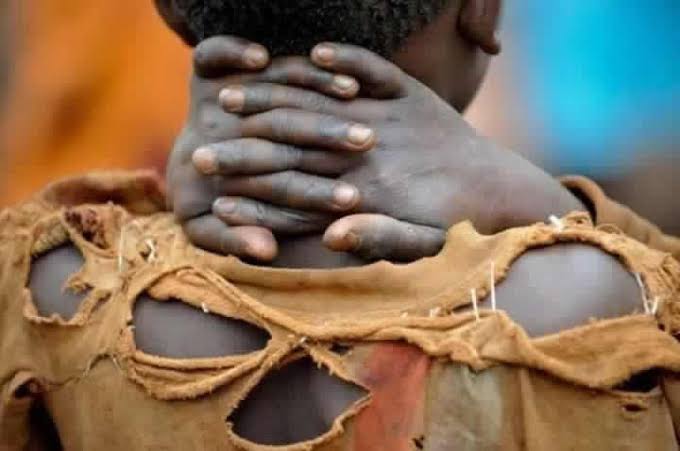
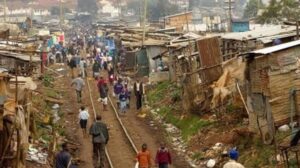
Economic inequality is a key factor driving this crisis. Wealth remains concentrated in the hands of a few, while millions are excluded from basic necessities like healthcare, education, and clean water. The benefits of economic growth often fail to trickle down to those most in need, particularly in rural areas where access to services remains limited. This entrenched disparity makes it harder for millions to escape poverty, trapping entire generations in cycles of deprivation.
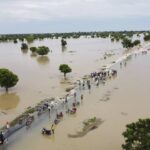
Climate change further compounds the issue, disproportionately affecting Africa’s poorest communities. Droughts, floods, and unpredictable weather patterns devastate agriculture, the livelihood of many Africans. Farmers are losing crops, families are going hungry, and with reduced economic opportunities, many are forced to migrate or depend on international aid. This crisis illustrates how global problems like climate change hit the vulnerable hardest.
Governance is another contributing factor. Corruption, weak institutions, and political instability undermine efforts to address poverty. While some African countries have made strides in implementing social welfare programs, these initiatives are often underfunded or poorly managed. The result is that even well-intended policies fail to reach the people they are designed to help.
Education and healthcare systems are also deeply inadequate. A lack of investment means millions of children are denied access to quality education, locking them into low-paying, unstable jobs later in life. Similarly, healthcare services are often insufficient, with preventable diseases claiming countless lives. Without education and good health, breaking out of poverty becomes an insurmountable challenge.
Is There Hope?
Despite these grim realities, there is hope. Africa’s young population, if properly harnessed, could be a driving force for change. With the right investments in education, technology, and infrastructure, this youth bulge can transform economies and lift millions out of poverty. But this requires visionary leadership and a commitment to inclusive growth.
International organizations, like the African Development Bank, play a crucial role in financing development projects that target poverty reduction. Yet, external aid alone will not solve Africa’s problems. African leaders must prioritize transparent governance, and their policies must focus on empowering local communities rather than enriching elites.
The private sector also has a role to play in reducing poverty. By creating jobs and investing in infrastructure, businesses can drive economic growth. However, companies must adopt ethical practices that promote long-term development rather than exploit cheap labor and resources.
Ultimately, addressing extreme poverty in Africa requires a multifaceted approach. Economic growth, while important, must be inclusive, ensuring that everyone benefits from the continent’s progress. If Africa’s leaders can rise to the challenge, there is a real opportunity to lift millions out of poverty and build a more just and prosperous future.
The staggering number of 429 million living in extreme poverty should serve as a wake-up call, not just for Africa, but for the world. How Africa handles this crisis will not only determine the continent’s future but also impact global stability and prosperity. The time for action is now.