

Food preservation is a big deal at a time when spoilage is common place. There are new initiatives changing the game for it as well.
Irradiation.
Irradiation offers a modern alternative for food preservation. This technology involves applying ionising radiation to enhance safety and extend shelf life by reducing or eliminating harmful microorganisms and insects. Similar to milk pasteurisation, which revolutionised food safety in the early 20th century, irradiation is a promising method for reducing spoilage.
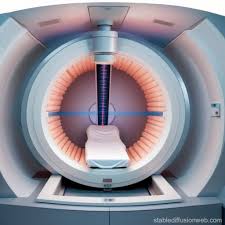
With food spoilage being a major issue in Nigeria, irradiation technology could be the key to reducing waste and improving food security. This innovative method involves exposing food to controlled amounts of radiation to eliminate harmful bacteria, parasites, and insects without compromising the food’s nutritional value.
According to Dr. Sarah Adegbite, a food preservation expert: “Irradiation is a revolutionary solution that could extend the shelf life of perishable items like fruits, vegetables, and grains.”
Food spoilage in Nigeria is a significant problem, with reports indicating that around 40% of food produced is lost due to poor preservation. This loss particularly affects rural farmers, who lack access to advanced storage solutions. Irradiation could bridge this gap by providing a safe and effective means of preserving food for longer periods, reducing post-harvest losses.
How does it work?
Irradiation involves passing food through ionizing radiation, which eliminates bacteria, molds, and pathogens that cause spoilage.
Dr. Adegbite explains:
“It’s like pasteurization but for solid food. The process leaves no radiation in the food, and it’s perfectly safe for consumption.”
According to the World Health Organization, food irradiation is endorsed as a safe technology used globally.
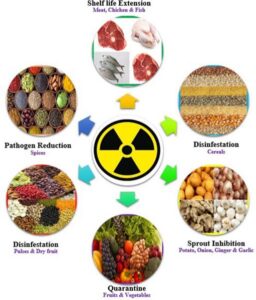
Currently, irradiation technology is employed in several countries to preserve foods like meat, spices, and fruits. Nigeria, however, has yet to fully embrace this method. Dr. Ibrahim Musa, a researcher at the Nigerian Institute of Food Science and Technology, believes that “introducing irradiation could drastically improve food safety standards in Nigeria, especially for export products, which often face rejection due to contamination.”
Aside from improving food safety, irradiation can also play a role in combating hunger. With a longer shelf life, food can be transported across longer distances without spoiling, ensuring that surplus food in one region can be distributed to areas experiencing shortages. As Musa points out, “This technology could help Nigeria address hunger by making food more readily available year-round.”
Despite its potential, public perception and misinformation remain hurdles. Many Nigerians are unfamiliar with irradiation and may harbor misconceptions about its safety. “Education is key,” says Adegbite. “We need to raise awareness that irradiation is not dangerous. In fact, it’s one of the safest ways to preserve food.”
There’s also a need for infrastructure investment. While irradiation technology could revolutionize food preservation, setting up irradiation plants requires financial and governmental support. “This is where the government must step in,” says Adegbite.
“Policies supporting the adoption of irradiation are essential if we want to see widespread benefits.”
Food irradiation involves ionising radiation, X-rays, gamma rays, or high-energy electron beams. This method ensures that food remains “clean” and inhibits spoilage, making it possible to keep food longer while ensuring a higher level of safety and quality. Additionally, irradiation is a viable pest control method, providing phytosanitary security for traded fresh produce by preventing insects and other pests from developing and reproducing.
By reducing spoilage, enhancing food safety, and extending shelf life, this technology offers a sustainable solution to food insecurity. It’s time for Nigeria to embrace this cutting-edge method and safeguard its food future.