

Scam text invade our privacy and can be pretty annoying. They grow too bold for comfort, and a lot of unscrupulous persons use them to invade our subconscious.
Can it be curbed? Yes.
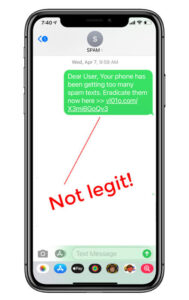
Text scams have become increasingly sophisticated, making it more crucial than ever to be vigilant. These scams often appear as messages from trusted entities like banks or delivery services, but they’re designed to trick you into revealing personal information or downloading malware.
So, how can you tell if a text is legitimate or a scam?
1. Unfamiliar Senders and Suspicious Links
One of the first red flags is an unfamiliar sender, especially if they ask you to click on a link or provide personal information.
Legitimate companies typically won’t ask for sensitive information via text. If you receive a message from a number you don’t recognize, take a moment to assess its content. Is it urging immediate action, or does it contain grammatical errors? Scammers often use a sense of urgency to pressure you into making hasty decisions.
2. Too Good to Be True Offers
If you receive a text claiming you’ve won a prize or are eligible for an exclusive deal, be skeptical. Scammers often lure victims with promises of money or gifts, but these offers usually require you to share personal information or pay a small fee upfront. Remember the age-old adage: if it sounds too good to be true, it probably is.
3. Verify Before You Act
Before clicking any links or responding to a suspicious text, verify the message’s legitimacy. If it claims to be from a company you do business with, contact them directly through official channels. Do not use any phone numbers or links provided in the text—look up the company’s contact information yourself.
4. Use Technology to Your Advantage
Many smartphones have built-in features to filter out potential spam texts. Additionally, reporting suspicious messages to your mobile carrier can help them identify and block scammers. Always keep your phone’s operating system up to date, as these updates often include security enhancements that protect you from new threats.
5. Trust Your Instincts
If something feels off about a text, trust your instincts. Scammers rely on catching you off guard, so taking a moment to think critically can save you from falling victim to their schemes.
Staying informed and cautious is your best defense against text scams. By recognizing the warning signs and taking proactive steps to verify messages, you can protect your personal information and avoid falling prey to fraudsters.
Ciao!