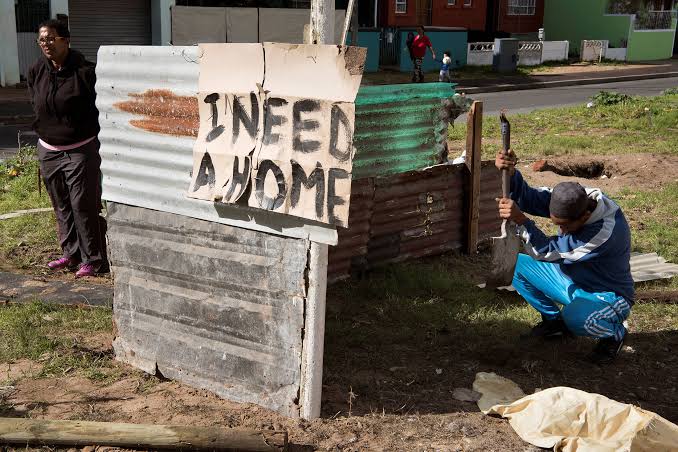

Homelessness is a continuous struggle in many parts of the world.
—
Homelessness is a stark reminder of the socioeconomic inequalities that persist in our world. It’s a global issue, often hidden in the shadows of bustling cities, yet it touches the lives of millions. From the streets of New York to the favelas of Brazil, the homeless crisis is a persistent problem that calls for urgent attention and action.
Homelessness is a complex and heartbreaking issue that affects millions of people worldwide. Despite global efforts to address the crisis, some countries continue to grapple with significant homeless populations. Here are some of the top 10 countries with the highest homeless populations, drawing attention to the factors contributing to this crisis.
India
With a staggering homeless population, India tops the list. The country’s rapid urbanization, poverty, and lack of affordable housing contribute to the high number of people living without permanent shelter. Major cities like Delhi and Mumbai are particularly affected, with countless individuals and families living on the streets.
China
Despite its economic growth, China faces a significant homelessness issue. The country’s migrant population, combined with strict housing regulations and a high cost of living in urban areas, leaves many without homes. Cities like Beijing and Shanghai are home to large homeless communities.
United States
The U.S. has one of the highest homeless populations in the developed world, with cities like Los Angeles, New York, and San Francisco being the hardest hit. The crisis is driven by a lack of affordable housing, mental health issues, and the opioid epidemic.
Nigeria
Nigeria, Africa’s most populous country, struggles with homelessness due to extreme poverty, internal conflicts, and inadequate housing infrastructure. The situation is particularly dire in cities like Lagos and Abuja, where rapid urbanization has outpaced housing development.
Russia
Russia’s homeless population is significant, with harsh winters exacerbating the problem. Economic instability, unemployment, and a lack of social safety nets contribute to the high number of people living on the streets in cities like Moscow and St. Petersburg.
Brazil
Brazil’s homeless crisis is fueled by poverty, unemployment, and inadequate social services. Cities like São Paulo and Rio de Janeiro are home to large homeless populations, with many living in favelas or on the streets.
Indonesia
In Indonesia, homelessness is prevalent, especially in urban areas like Jakarta. The country’s economic disparities, coupled with natural disasters and inadequate social support, leave many without a roof over their heads.
Pakistan
Pakistan faces a significant homeless problem due to poverty, political instability, and natural disasters. Major cities like Karachi and Lahore are particularly affected, with large numbers of people living in informal settlements or on the streets.
Mexico
Mexico’s homeless population is driven by poverty, drug-related violence, and a lack of affordable housing. Cities like Mexico City and Tijuana have large homeless communities, with many living in precarious conditions.
Philippines
The Philippines rounds out the list, with homelessness exacerbated by poverty, natural disasters, and inadequate housing infrastructure. In cities like Manila, many people live in informal settlements, often in unsafe and unsanitary conditions.
—
Homelessness is a multifaceted issue that demands comprehensive solutions, from affordable housing to mental health services and economic support.
While the challenges posed by homelessness vary across countries, the need for compassionate and effective interventions is universal. By understanding the scale of homelessness and the factors driving it, we can work towards creating a world where everyone has a place to call home.