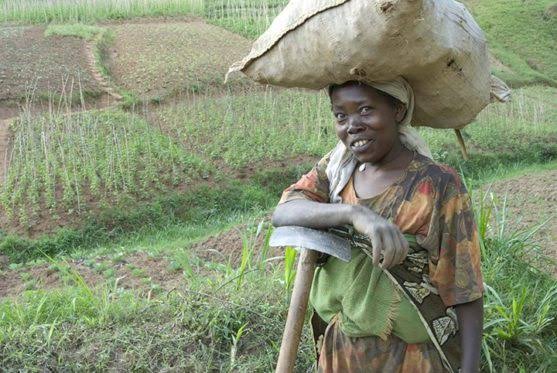

Some 3 decades ago, extreme heat waves were an infrequent occurrence in Nigeria, something people would experience maybe once every few years. Today, these intense heat events have become an almost annual ordeal, with each year seeming to surpass the last in severity.
In 2023, for instance, regions like Sokoto, Maiduguri, and Yola saw temperatures spike above 45°C. By 2024, those same areas endured even more punishing heat, with temperatures soaring past 47°C—setting alarming new records for the nation.
The health impacts of these relentless heatwaves are alarming. Vulnerable populations—elderly folks, children, and those with pre-existing health conditions—are at the greatest risk.
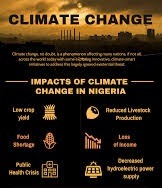
The numbers speak for themselves: data from the Federal Ministry of Health reveals a worrying trend. In 2023, there was a 20 percent spike in heat-related illnesses compared to the previous year. By 2024, this figure had risen to a staggering 30 percent, with over 2,000 deaths attributed to extreme heat. People are grappling with heatstroke, dehydration, and worsening cardiovascular and respiratory conditions, all direct consequences of these unyielding heatwaves.
But the heat isn’t just taking a toll on human health; it’s devastating Nigeria’s agricultural sector too. Our farms are predominantly rain-fed, making them incredibly sensitive to temperature swings.
Hard Times
Heatwaves place enormous stress on crops, leading to reduced yields and even total crop failure in some cases. Staples like maize, millet, and sorghum—crops that are crucial to our food security—are particularly vulnerable. The combination of scorching heat and inconsistent rainfall is a recipe for disaster, one that threatens the livelihoods of millions of farmers and the food supply for an entire nation.
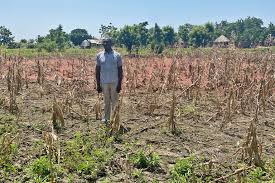
As if that weren’t enough, desertification is another menace creeping into our lives. The United Nations Convention to Combat Desertification (UNCCD) reports that over 65 percent of Nigeria’s land area is now affected. This steady march of desertification is robbing us of arable land, making it harder for farmers to grow the food we need. It’s a vicious cycle: as farmland becomes less productive, food production drops, leading to higher prices and more people going hungry. According to the UN, by 2030, an estimated 82 million Nigerians—about 64 percent of our population—could face severe hunger if nothing changes.
The climate crisis is not just a challenge; it’s a catastrophe in the making, one that’s already reversing our hard-won progress towards eradicating poverty and hunger. Smallholder farmers, the backbone of our agricultural sector, are struggling to adapt. This struggle is leading to declining food availability and skyrocketing prices.
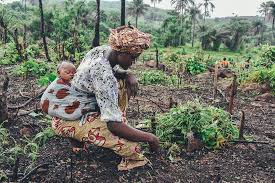
Food inflation is hitting new heights, with Nigeria averaging 13.42 percent, a figure that only tells part of the story of hardship faced by everyday Nigerians.
So, what can we do? The Director General of the National Space Research and Development Agency, Dr. Adepoju Mathew, highlights a critical piece of the puzzle: science, technology, and innovation. According to him, the world’s population is projected to reach 9.5 billion by 2050, and food production needs to increase by 70 percent to meet this demand. Space science, technology, and innovation can play a transformative role in agriculture, enhancing food security by making farming more efficient and sustainable.
Here’s how we can start turning the tide:
1. Invest in Technology-Driven Agriculture: We need to embrace modern agricultural practices that leverage technology. Precision farming, irrigation systems, and drought-resistant crop varieties are just a few examples of how technology can help farmers adapt to changing climate conditions.
2. Empower Local Governments: Climate action needs to be localized. Empowering local governments with the resources and autonomy to implement climate-resilient strategies will make a significant difference in managing the impacts of climate change.
3. Increase Public Awareness: People need to understand the gravity of the situation. Public education campaigns can help Nigerians recognize the importance of sustainable practices and the role each of us plays in combating climate change.
4. Strengthen Food Security Programs: Government and NGOs must work together to strengthen food security programs, ensuring that vulnerable populations have access to nutritious food even as climate impacts worsen.
5. Support Research and Innovation: Ongoing research into climate adaptation strategies is vital. Supporting our scientific community and fostering innovation will ensure we have the tools needed to face the challenges ahead.
While the challenges posed by climate change are daunting, they are not insurmountable. With the right mix of innovation, commitment, and collaboration, we can mitigate its worst impacts and build a more resilient future for Nigeria.
Let’s take the lessons from today’s crises to heart and work towards a better tomorrow.