Nigeria’s Plastic Waste: A $10 Billion Opportunity in the Making

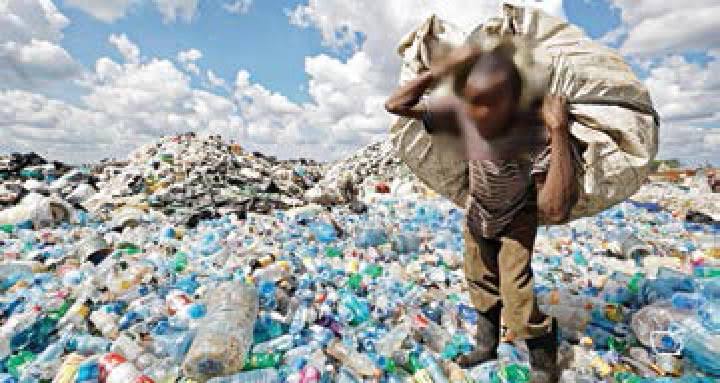
In the bustling streets of Lagos, plastic waste is a common sight—piled high in gutters, floating in waterways, and littering the beaches. This waste, often seen as an eyesore and a threat to the environment, is now being recognized as a potential goldmine for Nigeria’s economy.

According to recent reports, Nigeria’s plastic waste problem could unlock a staggering $10 billion in economic potential if harnessed properly.
The Plastic Menace: A Growing Concern
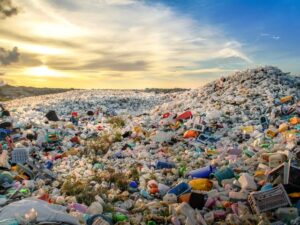
Nigeria generates around 2.5 million tons of plastic waste annually, with less than 10% being recycled. The rest ends up in landfills, water bodies, or is burned, contributing to severe environmental pollution and health hazards. This situation is exacerbated by the country’s rapid urbanization and population growth, which have outpaced waste management infrastructure. The result is a nation grappling with mountains of plastic waste that threaten both human health and the environment.
Plastic waste clogs drainage systems, leading to severe flooding during the rainy season. It pollutes rivers and oceans, harming marine life and disrupting ecosystems. Additionally, the toxic chemicals released from burning plastic waste pose serious health risks, including respiratory problems and other long-term health issues.
Transforming Waste into Wealth
Despite the challenges, experts argue that Nigeria’s plastic waste could be a valuable resource. A report by the Nigerian Investment Promotion Commission (NIPC) highlighted that recycling and reusing plastic waste could generate over $10 billion annually for the economy. This figure stems from the potential to create jobs, produce valuable materials, and stimulate economic growth.
Recycling plastic waste can provide raw materials for industries such as manufacturing, construction, and fashion. For example, recycled plastic can be used to produce textiles, packaging materials, and construction products like paving stones and roofing tiles. This would reduce the demand for virgin materials, lower production costs, and promote sustainable practices across various sectors.
Moreover, the plastic waste recycling industry could create thousands of jobs, particularly for young people. From waste collection and sorting to processing and manufacturing, the entire value chain offers employment opportunities that could help address the country’s high unemployment rate.
The Role of Government and Private Sector
Unlocking this economic potential, however, requires concerted efforts from both the government and the private sector.
The Nigerian government has started to take steps toward addressing the plastic waste crisis. In 2020, it launched the National Policy on Plastic Waste Management, which aims to reduce plastic waste through recycling and reuse. The policy encourages public-private partnerships and aims to attract investments in recycling infrastructure.
The private sector is also playing a crucial role. Companies like Wecyclers and RecyclePoints are leading the charge in plastic waste collection and recycling, turning what was once seen as waste into valuable resources. These companies not only contribute to environmental sustainability but also create economic opportunities for local communities.
Additionally, international organizations and development partners are supporting Nigeria’s efforts to manage plastic waste. The United Nations Industrial Development Organization (UNIDO) and the European Union, for instance, have funded projects aimed at improving plastic waste management and promoting recycling.
The Way Forward
While the potential is enormous, realizing it will require overcoming significant challenges. These include a lack of infrastructure, inadequate funding, and limited public awareness about the benefits of recycling. To address these issues, stakeholders must invest in modern waste management facilities, implement effective waste collection systems, and educate the public about the economic and environmental benefits of recycling.
Furthermore, the government must enforce existing regulations on plastic waste management and encourage the adoption of circular economy principles. By promoting the use of recycled materials and supporting innovative recycling technologies, Nigeria can turn its plastic waste problem into a source of wealth and sustainable development.
A Future of Promise
While the challenges are daunting, the potential rewards on these plastic waste are immense. By transforming plastic waste into a valuable resource, the country can not only protect its environment but also unlock new economic opportunities, creating a future where waste is no longer seen as a problem, but as a resource for growth and prosperity.
The $10 billion opportunity is within reach—if Nigeria can muster the will and the resources to seize it.