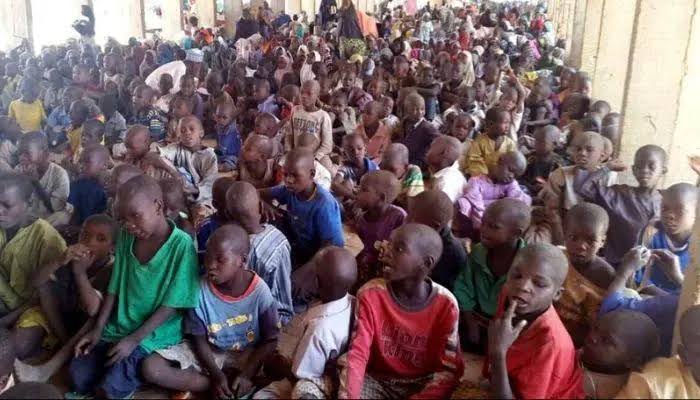

The Southwest region of Nigeria, known for its rich cultural heritage and economic prowess, is facing a growing educational challenge that threatens its future: an alarming dropout rate among adolescents in primary and secondary schools.
Despite ongoing efforts, recent data reveals that between 8-15% of adolescents aged 10 to 18 are not completing their education, raising concerns among educators, policymakers, and parents alike.
This challenge among other burning issues came to the forefront during a recent regional stakeholders’ meeting on out-of-school child retention, transition, and completion models held in Ibadan.
The meeting, attended by key figures from Ekiti, Oyo, Lagos, Ondo, Osun, and Ogun states, highlighted the severity of the problem and the urgent need for solutions.

The Data: A Wake-Up Call
According to UNICEF’s recent findings, while 92% of adolescents in the Southwest complete primary school, only 85% manage to complete secondary education. This gap, though seemingly small, represents thousands of children who are falling through the cracks of the education system. These numbers are particularly concerning given that the region has historically been a leader in educational attainment in Nigeria.
UNICEF Education Specialist, Azuka Menkiti warned that if these dropout rates are not addressed, the consequences could be dire.
She stated: “This shortfall could severely impact the education sector in both the state and the country if full retention and completion are not achieved.”
Another UNICEF specialist, Babangana Aminu, pointed out that while 80% of children in the region are attending school, retention remains a critical issue.
He mentioned: “There is a need for the government and stakeholders in the educational sector to address these issues, particularly around 21st-century fundamental literacy, numeracy, and transferable skills.”
Understanding the Root Causes
To tackle this issue effectively, it’s crucial to understand the factors contributing to the high dropout rates. Several key challenges have been identified:
1. Economic Hardship: Many families in the Southwest struggle with poverty, making it difficult to afford school fees, uniforms, and other necessary materials. As a result, children are often forced to drop out to support their families financially.
2. Cultural Norms: In some communities, especially in rural areas, there is still a preference for early marriage or child labor over education, particularly for girls. This cultural barrier significantly affects retention rates.
3. Lack of Infrastructure: Many schools in the region lack basic facilities such as classrooms, toilets, and libraries, making the learning environment unappealing and contributing to high dropout rates.
4. Teacher Shortage and Quality: The shortage of qualified teachers, particularly in rural areas, and the overall quality of education are also major concerns. Poor teaching methods and overcrowded classrooms often lead to disengagement among students.
Pathways to Change: Solutions for a Brighter Future
Addressing these challenges requires a multi-faceted approach that involves all stakeholders—governments, communities, educators, and international organizations. Here are some potential solutions that could help turn the tide:
1. Economic Support for Families: Governments and NGOs should expand scholarship programs and introduce conditional cash transfers to families in need. By providing financial support tied to school attendance, these programs can reduce the economic burden on families and encourage them to keep their children in school.
2. Community Engagement and Advocacy: Raising awareness about the importance of education, particularly for girls, is crucial. Community leaders, religious figures, and local influencers should be engaged in advocacy campaigns to shift cultural norms that prioritize early marriage or child labor over education.
3. Improving School Infrastructure: Investment in school infrastructure is essential. Governments at both the state and local levels must prioritize the construction and renovation of schools, ensuring they are equipped with the necessary facilities to create a conducive learning environment.
4. Teacher Training and Recruitment: Addressing the teacher shortage requires both immediate and long-term strategies. In the short term, states should consider recruiting more teachers and offering incentives for those willing to work in rural areas. In the long term, investments in teacher training programs will help improve the quality of education across the region.
5. Expanding Access to Technology: With the rise of digital learning, integrating technology into the education system can provide students with new ways to engage with their studies. State governments should partner with tech companies to provide affordable devices and internet access to schools, particularly in underserved areas.
Did You Know?
The Nigerian government has also launched a new policy aimed at allowing pregnant teenage girls to continue their education, even during and after pregnancy?
This initiative is meant to address the educational barriers faced by young girls in Nigeria, particularly in the face of the high adolescent pregnancy rates, where girls aged 15-19 account for 145 out of every 1,000 births.
Historically, pregnant girls in Nigeria have faced expulsion from schools, leading to high dropout rates and limited future opportunities. This new policy aims to ensure that girls are not forced out of school due to pregnancy, recognizing that education is crucial to breaking the cycle of poverty and improving socio-economic outcomes.
Therefore, this policy is aligned with broader initiatives like the Adolescent Girls Initiative for Learning and Empowerment (AGILE), supported by the World Bank, which aims to improve access to and quality of education for girls. The AGILE program includes measures such as constructing and rehabilitating schools, providing safe spaces, offering life skills training, and giving cash transfers to incentivize families to keep girls in school.
In states like Ekiti, where similar policies have been implemented, there has been an emphasis on creating awareness among communities and school officials to ensure the effective enforcement of these policies. The federal government is encouraged to follow this example and expand such policies nationwide to protect the educational rights of pregnant girls.
This new approach could play a critical role in reducing the staggering number of out-of-school children in Nigeria, which currently stands at over 10.5 million, with girls being disproportionately affected.
For more on this initiative and its broader impact, you can explore detailed reports from Human Rights Watch
The dropout crisis in Southwest Nigeria is a complex issue that requires concerted effort from all sectors of society. By understanding the root causes and implementing targeted solutions, the region can reverse this trend and ensure that every child has the opportunity to complete their education and reach their full potential. The future of the Southwest—and indeed, Nigeria—depends on it.