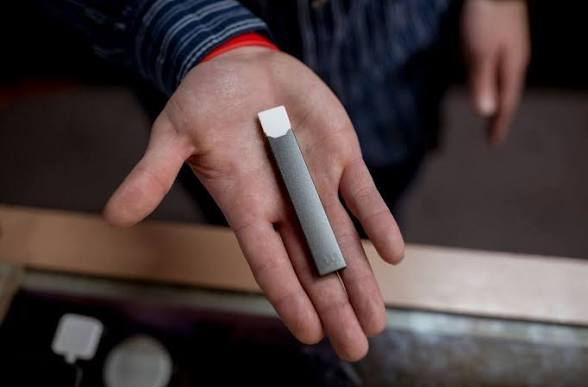
Vaping is a Sweet-Smelling Habit That Could Leave Young People Hooked on Nicotine

Vaping is increasingly becoming a nicotine trap for young people, with colourful devices, sweet flavours and widespread social acceptance making it easier to start and harder to quit.
Although electronic cigarettes are sometimes used by adult smokers seeking an alternative to traditional cigarettes, health experts warn that non-smokers, particularly children and young adults, risk developing nicotine dependence without gaining any health benefit from switching.
For 21-year-old Katie Adams (not real name), vaping began as a habit she openly disliked. When the devices first became popular among pupils at her school, she could not understand why her classmates were using them.
“I literally used to tell people like, ‘Er, why are you doing that?’” she recalled.
But repeated exposure gradually changed her attitude. By the age of 16, she had started vaping herself, despite coughing during her first attempt.
“The more you see it, the more you start trying it a bit more, and then eventually I just got used to it and I was just doing it all the time,” she said.
Today, Katie buys a refillable vape every day and uses it whenever she is not occupied with her work as a hairdresser and in a school.
She describes the habit as almost automatic. During a call with JollofMash, she realised she had been lying in bed with a vape in one hand while scrolling through Instagram with the other.
Her experience reflects a growing concern among health professionals: vaping can become so deeply embedded in daily routines that users reach for their devices without consciously deciding to do so.
Most e-cigarettes contain nicotine, an addictive substance that acts on the brain’s reward system. Once inhaled, nicotine is absorbed into the bloodstream and reaches the brain rapidly, reinforcing the desire to use the product again.
Repeated exposure can lead to tolerance, meaning users may need more nicotine to achieve the same effect. When they stop, they may experience cravings, irritability, anxiety, difficulty concentrating and other withdrawal symptoms.
Some vaping devices use nicotine salts, which allow manufacturers to deliver relatively high nicotine concentrations while reducing the harshness associated with inhaling nicotine.
A disposable vape or refillable pod may contain a substantial amount of nicotine, sometimes comparable to or greater than the amount found in a pack of cigarettes. However, the quantity contained in a device is not the same as the amount absorbed by the user, which varies according to the product and how it is used.
Flavours also play a role in attracting consumers. Fruit, sweets and other appealing tastes can make vaping more palatable, particularly to people who would otherwise find tobacco smoke unpleasant.
The combination of rapid nicotine delivery, attractive flavours and repeated social exposure can make experimentation develop into a persistent habit.
Dr Siers Simmers, a general practitioner, said she frequently encountered patients whose vaping had become a form of psychological dependence.
She described it as a reliance on the device to help regulate emotions, illustrating how the habit can extend beyond nicotine cravings to become part of a person’s response to stress, boredom or other feelings.
Katie is among a growing number of people in Britain who vape despite never having smoked traditional cigarettes.
Recent Office for National Statistics figures cited in an online report put the number of people aged 16 and over who vape in the UK at approximately 5.4 million. About 1.1 million of them had never smoked, while the number of cigarette smokers continued to decline. In Nigeria, that number is less but gradually picking up in many urban centers.
The figures have raised questions about whether vaping is helping reduce tobacco-related harm or introducing nicotine to people who might never have smoked.
Professor Sarah Jackson, of University College London’s Alcohol and Tobacco Research Group, said the trend required careful interpretation.
She noted that some people who vape might otherwise have taken up cigarette smoking, meaning vaping could have diverted them from a more harmful habit. Others, however, could be exposing themselves to health risks they would not have encountered if they had never started vaping.
Jackson referred to a 2024 study by UCL researchers that found nicotine use among young adults in England had increased even as cigarette smoking declined.
The findings suggest that falling smoking rates do not necessarily mean fewer young people are using nicotine.
Hazel Cheeseman, of the charity Action on Smoking and Health, also raised concerns about the influence of marketing on people who have never smoked.
She suggested that some of the 1.1 million people who vape without a history of smoking might not have taken up the habit without the prominent promotion of vaping products.
Are vapes safer than cigarettes?

The health implications of vaping need to be considered alongside the established dangers of cigarette smoking.
Smoking exposes the body to thousands of chemicals produced by burning tobacco and is associated with cancer, cardiovascular disease, lung disease and premature death. Smoking and exposure to second-hand smoke are major contributors to preventable illness.
E-cigarettes do not burn tobacco and generally expose users to fewer toxic chemicals than conventional cigarettes. For adults who already smoke, switching completely to vaping may reduce exposure to many of the harmful substances found in tobacco smoke.
However, that does not make vaping harmless. Nicotine is addictive and can increase heart rate and blood pressure. The aerosol produced by e-cigarettes may also contain potentially harmful substances, while the long-term consequences of prolonged vaping remain less well understood than those of cigarette smoking.
The distinction is important: evidence that vaping may be less harmful than smoking does not mean it is safe for people who do not smoke.
The NHS advises non-smokers and children not to take up vaping. In Britain, selling vapes to people under 18 is illegal.
Public health campaigners have questioned the way vaping products are presented to consumers, particularly the use of bright packaging, sweet flavours and a wide range of designs.
Katie believes the products should be sold in standardised, plain packaging similar to that used for cigarettes.
“With vapes, they have all these flavours, all these pretty colours. It’s just making us more attracted to it,” she said.
She added that vaping had become more socially acceptable among people her age than smoking, even though she now considers her own habit problematic.
The financial cost is another concern. At about £5 a day, her habit amounts to approximately £35 a week, or more than £1,800 over a year if the spending continues at the same rate.
British authorities have been pursuing measures to reduce smoking and limit the appeal of vaping to children and young people. The government has also targeted disposable vapes, which have been associated with concerns about youth uptake and environmental waste. A ban on the sale and supply of single-use vapes came into force in the UK in June 2025.
Giving up nicotine can be difficult, even for people who recognise the problems associated with their habit.
Experts do not recommend taking up cigarette smoking as a way to stop vaping. Cigarettes remain a major cause of preventable disease and premature death, and returning to smoking can expose former smokers to the harms they may have been trying to avoid.
For people who want to quit vaping, support may include behavioural strategies, advice from healthcare professionals and, where appropriate, treatment to help manage nicotine withdrawal.
The central public health challenge is therefore twofold: helping smokers move away from combustible tobacco while preventing a new generation of non-smokers from becoming dependent on nicotine.
Vaping may offer a less harmful alternative for adults who would otherwise continue smoking. But for those who have never smoked, the attractive packaging and flavours can conceal a habit that is neither risk-free nor always easy to leave behind.