

For generations, children have been told to drink their milk if they want strong bones. It is one of the earliest health lessons many people receive, and for good reason. Milk is an excellent source of calcium, one of the essential building blocks of healthy bones. However, modern research shows that lifelong bone health depends on much more than simply drinking dairy products.
A balanced diet, regular physical activity and a range of key nutrients are all vital to maintaining a strong skeleton and preventing fractures later in life.
A 200ml glass of milk contains approximately 260mg of calcium, making dairy one of the richest dietary sources of the mineral. A recent study involving 7,195 older adults living in residential care homes found that increasing dairy and protein intake over two years reduced the risk of falls by 11% and lowered the risk of hip fractures by 46%.
Researchers believe the protective effect resulted from the combined benefits of calcium and protein, both of which are essential for maintaining healthy bones and muscles.
Despite these findings, experts say focusing solely on dairy overlooks the bigger picture.
Professor Kate Ward, a specialist in global musculoskeletal health at the University of Southampton, explains that the foundation for healthy bones is laid decades before old age. During childhood and early adulthood, bones become denser and stronger until they reach their peak bone mass in the early adult years. The more bone mass accumulated during this period, the greater the body’s reserve against the natural bone loss that occurs with ageing.
As people grow older, bone density gradually declines. For many, this loss becomes significant enough to develop osteopenia, a condition marked by lower-than-normal bone density, or osteoporosis, a disease that makes bones thin, fragile and more likely to fracture. Globally, around 500 million people are estimated to be living with osteoporosis.
One of the greatest dangers is that osteoporosis often develops without obvious symptoms. Julie Thompson of the Royal Osteoporosis Society notes that many people only discover they have the disease after suffering a fracture.
Hip fractures remain among the most serious consequences of poor bone health. More than 10 million hip fractures occur globally every year among people aged over 55. These injuries frequently result in severe complications such as pneumonia, heart disease, loss of independence and prolonged disability.
Also, research suggests that approximately 30% of adults over the age of 60 die within one year of experiencing a hip fracture, although age and existing health conditions also contribute to this elevated mortality risk.
Nutrition plays a central role in preventing these outcomes.
While calcium remains the best-known nutrient for bone health, it is only one piece of the puzzle. Vitamin D is essential because it helps the body absorb calcium efficiently. Protein provides the collagen framework upon which minerals are deposited, giving bones both strength and flexibility. Other nutrients, including vitamin K, magnesium, phosphorus and zinc, also contribute to maintaining healthy bones and supporting muscle function.
Importantly, calcium is available from many foods besides dairy products.
Soy-based foods such as tofu and edamame are excellent alternatives. Around 100 grams of tofu contains approximately 200mg of calcium, making it one of the richest plant-based sources available.
Soy also contains naturally occurring compounds known as isoflavones, which have chemical structures similar to the hormone estrogen. Because estrogen helps maintain bone density, researchers have investigated whether soy could offer additional protection, particularly for postmenopausal women whose estrogen levels decline significantly.
Evidence continues to grow. A meta-analysis involving more than 9,000 postmenopausal women found that soy isoflavone supplements produced modest improvements in bone mineral density in the spine, hips and forearms.
The greatest benefits were observed among women who consumed higher-dose supplements for at least one year. However, scientists caution that further studies are needed to determine whether eating soy foods provides the same benefits as concentrated supplements.
Another nutrient-rich food attracting scientific interest is the chia seed.
Although tiny, chia seeds are packed with minerals that support bone health. Just one tablespoon provides approximately 95mg of calcium, alongside significant amounts of magnesium and phosphorus.
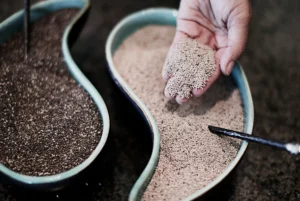
Chia seeds are also rich in omega-3 fatty acids, which help reduce chronic inflammation. Persistent inflammation can accelerate the breakdown of old bone tissue while slowing the formation of new bone, increasing the risk of osteoporosis over time. Animal studies have shown promising results, with rats fed chia seeds over extended periods developing greater bone mineral content than those on standard diets. Researchers stress, however, that more studies involving humans are needed before confirming similar benefits.
Vitamin D deficiency remains another major concern. Around 15% of the world’s population is estimated to have inadequate vitamin D levels, with deficiency becoming more common during winter months when sunlight exposure is limited. Since vitamin D is essential for calcium absorption, maintaining adequate levels through safe sun exposure, diet or supplements when medically advised is critical for lifelong bone health.
Health experts generally recommend obtaining calcium from food rather than supplements whenever possible. Calcium supplements are usually reserved for individuals who cannot meet their nutritional needs through diet or who have been advised by a healthcare professional to take them.
Exercise is equally important. Weight-bearing activities such as walking, jogging, dancing, climbing stairs and resistance training stimulate bone formation and help maintain bone density throughout adulthood. These activities also strengthen muscles and improve balance, reducing the likelihood of falls and fractures in later life.
Milk remains an excellent source of calcium, but lasting bone health depends on a combination of adequate nutrition, sufficient vitamin D, quality protein, regular exercise and healthy lifestyle choices. By investing in bone health early and maintaining those habits throughout life, people can significantly reduce their risk of osteoporosis, fractures and disability as they grow older.