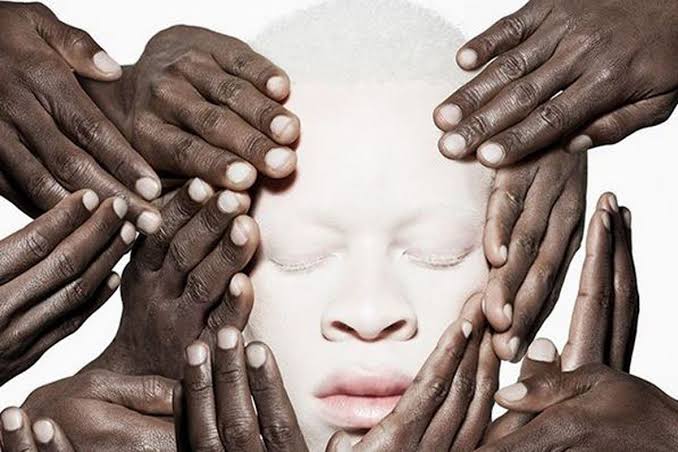
Nigerians with Albinism Are Fighting Stigma, Health Risks and Silence

Colour-based discrimination often hides in plain sight, in prolonged stares, mocking remarks, exclusion, bullying, stereotypes or subtle forms of dehumanising language.
However, behind what is frequently dismissed as “harmless” behaviour lies a deeper reality: emotional wounds that can shape identity, self-worth and mental wellbeing, particularly for children and young people still forming their sense of self.
Across human rights frameworks, including United Nations protections, discrimination based on race, colour or genetic condition is recognised as a violation that undermines equal dignity, safety and participation in society. The message behind this year’s awareness theme “Proudly in my skin: Celebrating all skin tones” is therefore not only cultural, but fundamentally rooted in rights and inclusion.
Globally, albinism remains a rare genetic condition, though its prevalence varies significantly across regions. While North America and Europe record an estimated 1 in 17,000 to 20,000 people living with albinism, the condition is far more common in sub-Saharan Africa, where figures reach about 1 in 1,400 in Tanzania and as high as 1 in 1,000 in certain populations in Zimbabwe and parts of Southern Africa.
In Nigeria, advocates say the conversation must move beyond awareness into urgent action. Members of the Albinism Association and Persons with Albinism in Anambra State are calling on government agencies, development partners and well-meaning citizens to strengthen protections for their rights, dignity and access to healthcare.
Speaking at a programme marking the 2026 celebration, Chairman of the Albinism Association in Anambra State, Israel Orizu, said the theme serves as a reminder that equality must go beyond rhetoric.
“Every human being deserves equal protection and opportunities. Persons with albinism are valuable members of society whose contributions continue to enrich our communities despite the challenges they face,” he said.
But beneath the advocacy lies a pressing health emergency. Orizu revealed that the association is currently managing 16 active cases of skin cancer among its members, a situation he described as deeply alarming and largely preventable.
“In Anambra State, however, this year’s celebration comes with deep concern and a renewed call for urgent action,” he said. “The Albinism Association is currently managing 16 active cases of skin cancer among our members, a heartbreaking reality that reflects the severe health challenges faced due to prolonged exposure to harmful ultraviolet radiation and limited access to preventive healthcare services.”
Medical experts explain that albinism is a rare, non-contagious, inherited condition present at birth, occurring when both parents carry the gene even if they do not have the condition themselves. It affects people of all ethnicities and genders and results in little or no melanin, the pigment responsible for skin, hair and eye colour.
Without melanin, persons with albinism are highly sensitive to sunlight, often experiencing visual impairment and a significantly increased risk of skin cancer. There is currently no cure for the condition, making prevention, protection and access to healthcare critical.
For many affected individuals, however, daily life extends beyond medical vulnerability. It includes navigating stigma, discrimination and social exclusion, experiences that advocates say remain underreported and poorly addressed.
The Anambra advocacy group is therefore urging stronger collaboration to improve access to sunscreen, protective clothing, regular dermatological screening and inclusive healthcare services, while also pushing for broader societal acceptance.
As Orizu stressed, the struggle is not only about survival, but dignity: ensuring that no person with albinism dies from preventable conditions simply because of poverty, neglect or lack of access to care.
In the end, advocates say the call for inclusion is simple but urgent, that every skin tone deserves protection, respect and the full right to thrive without fear or discrimination.