
Each day, climate change is gradually threatening our food systems, what we eat, how we survive. Who cares? You should!
Food is integral to human existence. Beyond sustenance, it shapes culture, defines social interactions, and sustains livelihoods for nearly 883 million people working within the global agriculture sector. Yet, the same systems that feed the world are increasingly under strain, as unsustainable production and consumption patterns accelerate environmental degradation and intensify climate change.
The relationship between food and the environment is deeply interconnected. Nature provides the foundation for crops and livestock, but as ecosystems deteriorate through pollution, biodiversity loss, and rising temperatures, food systems themselves are beginning to falter. Climate change is no longer a distant threat, it is already reshaping how, where, and how much food the world can produce.
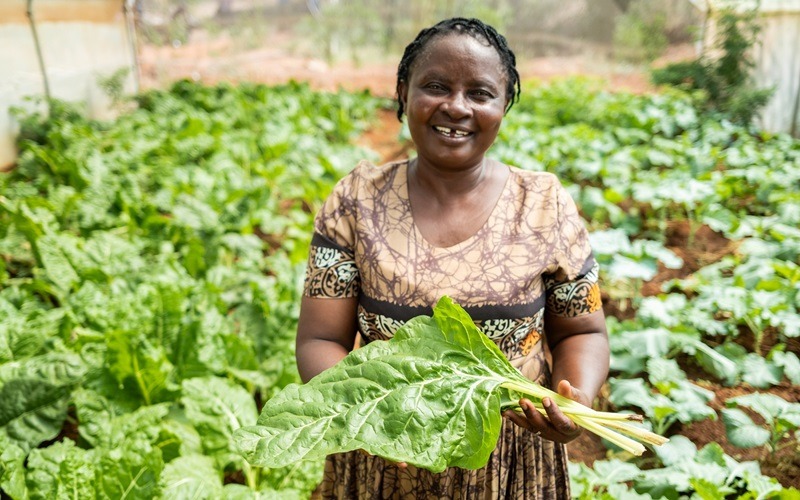
On the frontlines of this crisis are smallholder farmers, particularly in vulnerable regions. Many are adapting by embracing innovations that make crops more resilient to drought, pests, and disease. These changes are not just survival strategies, they are lifelines for communities and local economies that depend heavily on agriculture.
Globally, scientists are also responding with urgency. Research efforts are focused on developing climate-resilient, high-yield crop varieties, especially staples like wheat. One promising approach is “crop plasticity,” which involves breeding crops to better adapt to extreme and unpredictable weather conditions. By identifying and modifying key genes, researchers hope to create crops capable of thriving in harsher climates.
Despite growing concerns, experts say fears of entire food groups disappearing may be overstated. According to Andrew Jarvis, crops themselves are unlikely to go extinct entirely. “Somewhere in the world, it will grow,” he notes. However, this reassurance comes with a caveat: where food is grown is likely to change significantly.
As temperatures rise, traditional farming regions may become unsuitable for certain crops, forcing production to shift geographically. This could leave local farmers struggling and disrupt access to familiar foods. Margaret Walsh warns that even if global food production remains stable overall, food security could still worsen due to unequal access and distribution.
Rising temperatures are already impacting crop yields. Research suggests that once temperatures exceed 30°C, many crops begin to experience sharp declines in productivity. Wolfram Schlenker highlights that staple crops like corn and soybeans show significant yield drops beyond this threshold, underscoring the fragility of global food systems.
Drought is another growing threat. Currently affecting about 4% of global cropland annually, projections suggest this could rise to 18% by the end of the century. High-value crops such as coffee and cocoa may be among the hardest hit. Studies indicate that up to 80% of coffee-growing areas in parts of Latin America could become unsuitable by 2050, while cocoa production in West Africa faces severe disruption, raising concerns about future availability and cost.
While genetic innovation offers hope, experts stress that existing solutions must not be overlooked. Improved irrigation systems, better storage facilities, efficient harvesting methods, and smarter use of fertilisers can significantly reduce losses and boost resilience. As Walsh notes, applying current technologies more effectively could go a long way in cushioning the impact of climate change.
Ultimately, the stakes are enormous. Climate change threatens not just food production, but access, affordability, and nutrition, putting at risk the livelihoods of over a billion people and the stability of global food systems. Without urgent and coordinated action, the world risks a future where food is still grown but not equally shared.
The challenge ahead is not just about producing enough food, but ensuring that it remains accessible, sustainable, and resilient in the face of a rapidly changing climate.