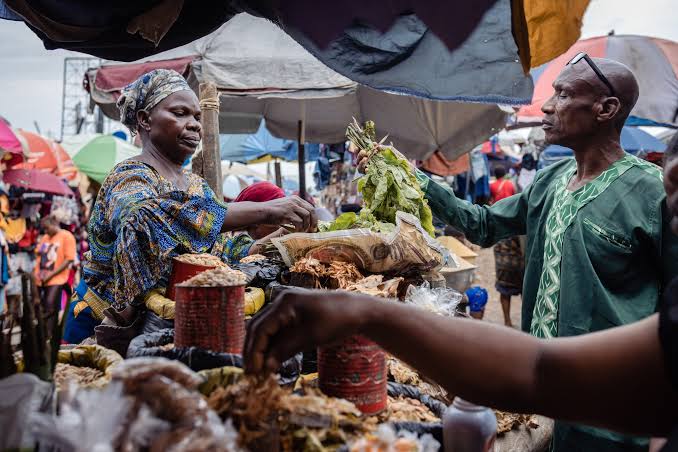

It’s Easter but…
For many Nigerians, festive seasons like these once symbolised joy, travel, and abundance. Today, they increasingly represent something else, economic strain, shrinking meals, and difficult choices.
Across Nigeria, households preparing for celebrations like Easter are grappling with soaring food prices, rising transport costs, and a weakening currency that continues to erode purchasing power.
The pattern has become painfully familiar: each festive period brings a surge in prices, leaving little room for relief. What should be moments of celebration are now overshadowed by financial anxiety.
At the heart of the crisis lies a chain reaction driven by fuel costs. With petrol prices hovering around N1,300 per litre, transportation expenses have surged, pushing up the cost of moving food from rural farms to urban markets. In a country where supply chains rely heavily on road transport, every increase at the pump quickly reflects on market shelves.
Global factors are also playing a role. Tensions around the Strait of Hormuz, a critical artery for global oil supply, have disrupted energy markets, sending crude prices to their highest levels since 2022 and amplifying domestic pressures.
The result is a squeeze felt most acutely by ordinary Nigerians.
According to the National Bureau of Statistics, about 133 million Nigerians are classified as multidimensionally poor. For many in this category, basic necessities such as food and clothing are already out of reach,let alone the added expenses of festive travel and celebrations.
Earlier in the year, there were signs of relief. Food inflation had dropped to 8.89 percent in January, offering hope after years of relentless increases. But that optimism proved short-lived. By February, inflation rebounded to 12.12 percent, reversing gains as global tensions intensified and domestic costs surged.
The impact is visible across communities. Travel, once a hallmark of festive periods has declined sharply, with many unable to afford transport fares. Others are scaling back celebrations, opting for modest meals or skipping traditional gatherings altogether.

For some, the season remains spiritually meaningful, but materially constrained. The joy of reunion is now weighed against the cost of getting there.
Experts note that Nigeria’s economic structure makes food prices particularly sensitive to fuel costs. With petrol-powered vehicles dominating the movement of goods, any increase in fuel prices triggers a ripple effect across the supply chain. In some cases, logistics alone accounts for up to 15 percent of the final cost of agricultural produce transported from northern regions to cities like Lagos.
Beyond economics, the situation reflects deeper systemic challenges, currency instability, infrastructure deficits, and a heavy reliance on imports and fossil fuels.
As it stands, celebrations in Nigeria are no longer defined by abundance, but by resilience. What resilience?