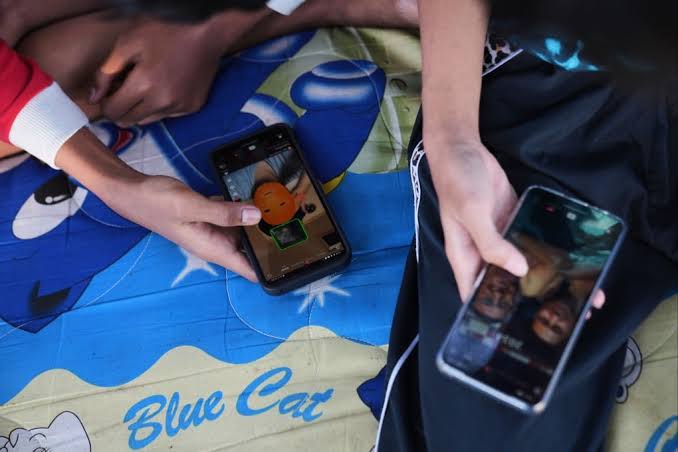

Indonesia has begun enforcing nationwide restrictions on social media use for children under 16, marking a first for Southeast Asia and one of the most far-reaching policies of its kind worldwide.
The regulation, which took effect on Saturday, requires digital platforms to limit or disable accounts belonging to minors below the age threshold.
Authorities say the move is aimed at tackling rising threats such as cyberbullying, online pornography, and internet addiction, issues increasingly linked to the mental and emotional wellbeing of young users.
The policy draws inspiration from similar measures in Australia, where stricter controls on youth access to social media were introduced late last year, signalling a broader global shift toward tighter regulation of digital platforms.
Speaking at a press briefing, Indonesia’s Communications Minister Meutya Hafid confirmed that several major platforms have already complied with the new directive. Among them are X and Bigo Live, both of which have adjusted their minimum user age in line with the regulation.
Other global platforms are now racing to align. TikTok said it would take “appropriate measures” regarding under-16 accounts, including phased restrictions in collaboration with authorities. Meanwhile, Roblox is introducing enhanced safety controls for younger users, while YouTube indicated support for a risk-based compliance approach rather than a blanket ban.
Hafid struck a firm tone, warning that compliance is non-negotiable. “There is no room for compromise,” she said, stressing that all companies operating within Indonesia must adhere to national laws.
In the United States, a Los Angeles jury recently found tech giants Meta and YouTube liable for contributing to harm through what was described as the “addictive design” of their platforms, ordering $6 million in damages in a high-profile case.
Similarly, lawmakers in the United Kingdom are pushing for tighter restrictions, with the upper chamber of parliament backing proposals to limit children’s access to social media, adding pressure on the government to act.