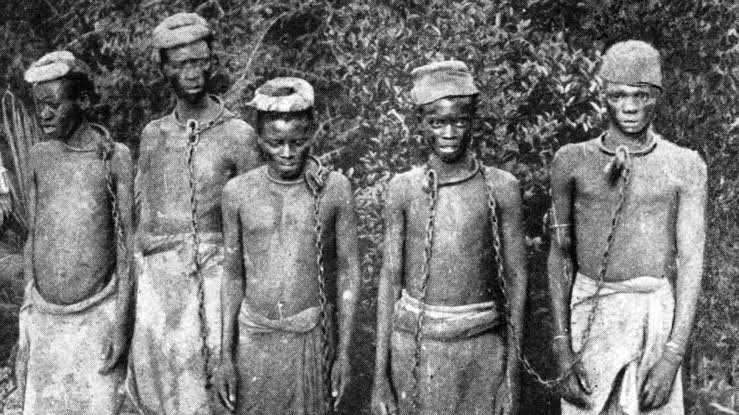

A renewed global debate over justice, memory, and accountability is unfolding at the United Nations, where member states are preparing to vote on a landmark resolution seeking to formally recognise the transatlantic slave trade as “the gravest crime against humanity.”
The proposal, spearheaded by Ghana, goes beyond symbolic recognition. It calls on nations to consider issuing formal apologies and contributing to a reparations framework aimed at addressing the enduring consequences of centuries of exploitation.
At the centre of the campaign is Samuel Okudzeto Ablakwa, who has framed the initiative as a moral and historical obligation rather than a political gesture.
Speaking in a recent interview, he stressed that the call for reparations is not about personal gain for African leaders, but about justice for millions of victims and their descendants.
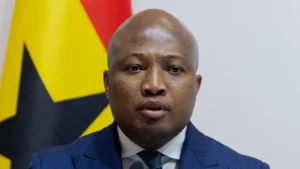
“We want justice for the victims,” Ablakwa said, noting that proposed reparations could take the form of educational support, endowment funds, and skills development programmes designed to address long-standing inequalities.
The transatlantic slave trade remains one of history’s most devastating human tragedies. Between the 16th and 19th centuries, an estimated 12 to 15 million Africans were forcibly taken from their homes and transported across the Atlantic to the Americas. Historians believe that more than two million people died during the brutal Middle Passage alone.
Ghana’s resolution also seeks the return of cultural artefacts looted during the colonial era, items that many African nations consider vital to their heritage and identity. Ablakwa described these objects as symbols of cultural and spiritual significance that must be restored to their rightful owners.
However, the proposal is expected to face strong opposition, particularly from countries such as the United Kingdom, which have consistently rejected calls for reparations. British officials have argued that modern institutions should not be held liable for historical injustices committed centuries ago.
Despite the anticipated resistance, the resolution signals a growing momentum among African and Caribbean nations to reframe historical accountability on the global stage. Advocates argue that the legacy of slavery continues to shape economic disparities, racial inequalities, and development gaps seen today.
For many, the question posed by the debate is: Is slavery truly in the past?
While the chains may be gone, the scars, they argue, are still embedded in global systems.