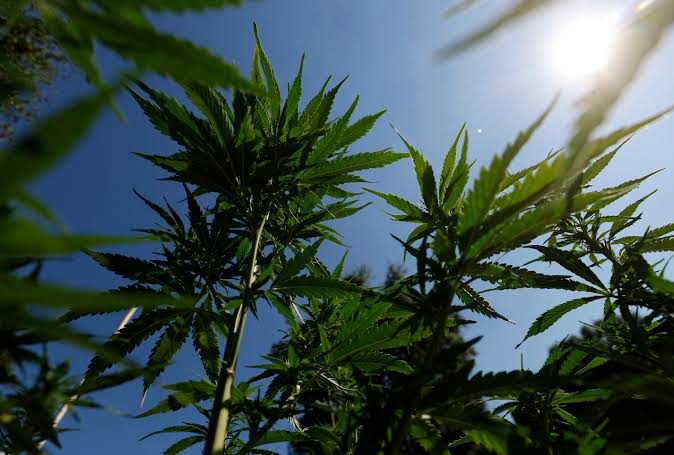

As cannabis gains wider acceptance globally for medical and recreational use, a new study has cast doubt on its effectiveness in treating mental health conditions, warning that its benefits may be overstated.
The research, published in The Lancet Psychiatry, examined the role of cannabis-based medicines in managing a range of psychiatric disorders and substance dependence, amid growing interest in products such as cannabidiol (CBD).

Cannabis-derived treatments typically contain CBD and delta-9-tetrahydrocannabinol (THC), the psychoactive compound responsible for the “high” associated with marijuana.
While these substances have been used in managing conditions like chronic pain and epilepsy, their impact on mental health remains far less certain.
The study analysed data from 54 randomised clinical trials conducted between 1980 and May 2025, involving a total of 2,477 participants.
Researchers from institutions in Sydney, Brisbane, Melbourne and Bath found “very little evidence” supporting the use of cannabinoids in treating conditions such as anxiety, post-traumatic stress disorder, psychotic disorders, anorexia and opioid dependence.
The findings also showed insufficient evidence to determine effectiveness in managing attention deficit hyperactivity disorder (ADHD), bipolar disorder, obsessive-compulsive disorder (OCD) and tobacco use disorder.
Notably, the researchers reported no reliable evidence supporting cannabis-based treatments for depression.
The review was prompted in part by the increasing legalisation of medical cannabis in countries including the United States, United Kingdom, Australia and Canada, where such products are becoming more widely accessible.
Despite the largely negative findings, the study did identify some limited benefits.
A combination of CBD and THC was found to slightly reduce withdrawal symptoms in some individuals, while cannabinoids were associated with improved sleep duration in people with insomnia.
There was also modest evidence suggesting a reduction in certain autistic traits among individuals with autism spectrum disorder.
However, researchers warned that cannabis use is not without risks.
The study found that it could increase cravings in individuals with cocaine addiction and was linked to a higher likelihood of general side effects, even though serious adverse events were not significantly higher than in non-users.
However, experts cautioned that reliance on cannabis for mental health treatment could delay access to more effective, evidence-based therapies.
They emphasised that current data remains limited, pointing to small sample sizes, gaps in research and inadequate consideration of gender differences as key shortcomings.
As a result, the researchers called for larger, more comprehensive studies to better understand the long-term effects and potential role of cannabis in mental healthcare.
They also recommended stricter regulation of cannabis-based treatments, particularly in contexts where medical providers may face pressure to promote their use.
While opinions among experts remain divided, there is broad agreement on one point, individuals considering cannabis for medical purposes should consult qualified healthcare professionals rather than rely on informal advice.
For now, the study suggests that while cannabis may hold promise in certain areas, its role in treating mental health conditions remains uncertain and requires far more scientific scrutiny.