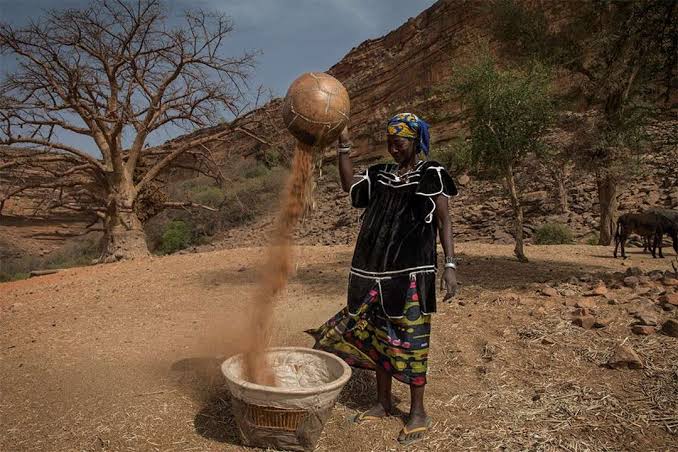

The United Nations has sounded a fresh alarm over deepening global poverty and hunger, warning that the world is falling dangerously behind on its promise to eradicate extreme poverty by 2030, a significant aspect of the Sustainable Development Goals (SDGs).
In a statement posted on its official social media platforms on Monday, the UN revealed that an estimated 808 million people, roughly one in every 10 people worldwide, were living in extreme poverty in 2025. The updated figure reflects a sobering reassessment of global economic realities.
The revision follows an adjustment to the international poverty line, now set at surviving on less than $3.00 per person per day at 2021 purchasing power parity. The recalibration has pushed the number of those classified as extremely poor higher than earlier projections suggested.
“Eradicating extreme poverty for all people everywhere by 2030 is a pivotal aim of the Sustainable Development Goals,” the organisation stated, underscoring that the current trajectory threatens one of the most ambitious global commitments ever made.
Although the UN acknowledged that extreme poverty declined significantly in previous decades, it cautioned that momentum has slowed dramatically in recent years. If present trends persist, 8.9 per cent of the global population could still be trapped in extreme poverty by the end of the decade.
Beyond income deprivation, the agency described a disturbing resurgence of global hunger levels to figures last seen in 2005. Rising food prices across more countries, compared to the 2015–2019 period have intensified the strain on vulnerable households, compounding hardship.
The UN characterised the twin crises of poverty and food insecurity as a critical global emergency. It noted that poverty is multidimensional, driven not only by lack of income but also by unemployment, social exclusion, inequality, and heightened vulnerability to disasters, disease outbreaks and economic shocks.
Unfortunately, the consequences extend far beyond those directly affected. Persistent poverty and inequality, it warned, undermine social stability, weaken economic growth, and threaten global development gains.
With just five years left until the 2030 deadline, the UN is urging accelerated action, targeted investments and stronger international cooperation to reverse the trend and restore hope of meeting the SDGs.