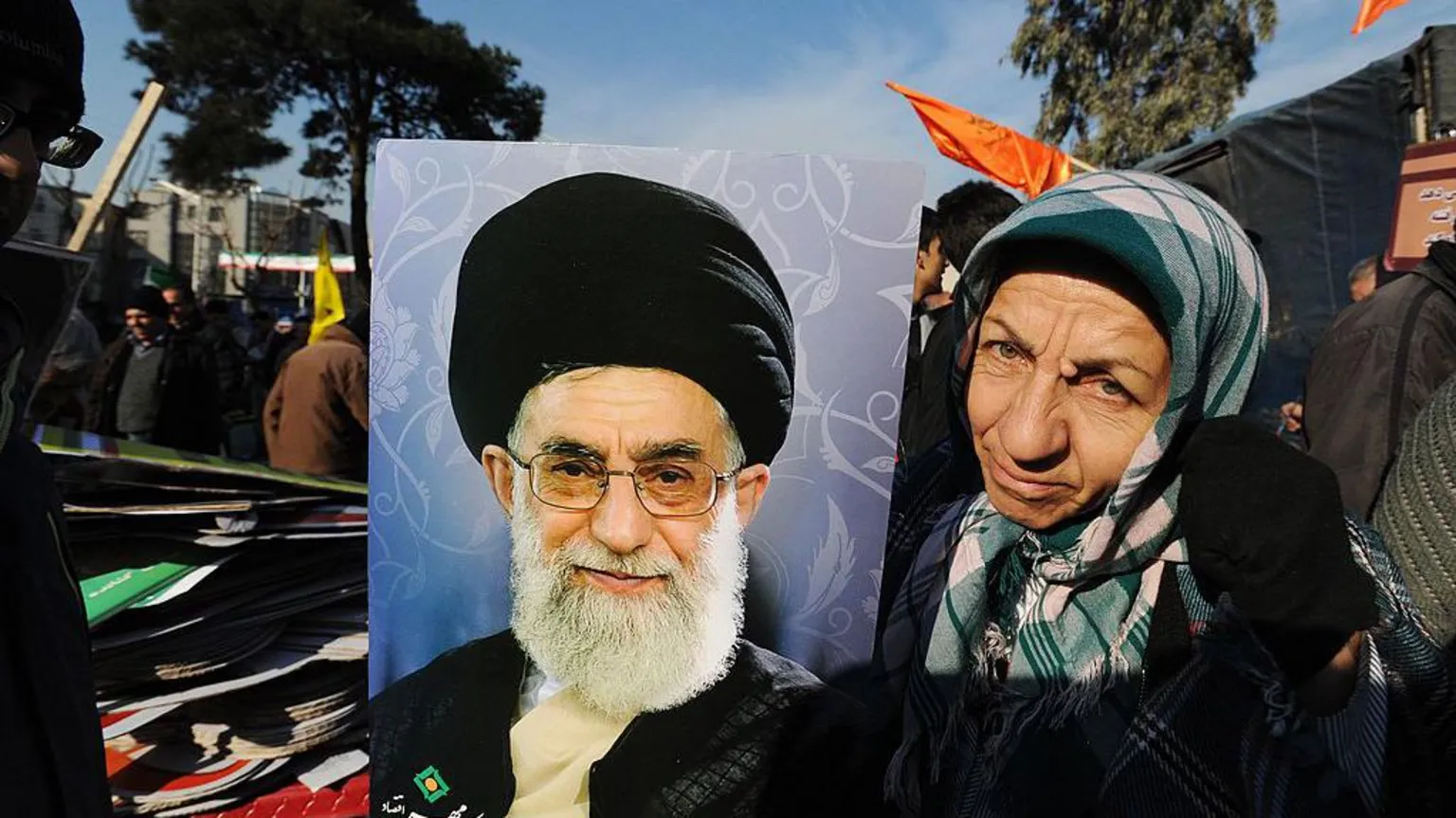

The killing of Iran’s Supreme Leader, Ayatollah Ali Khamenei is widely percieved as one of the most dramatic escalations in modern Middle Eastern history, thrusting the region into a dangerous new phase of uncertainty.
For U.S. President Donald Trump, the strike represents an enormous geopolitical wager, a belief that decisive military force can achieve what decades of diplomacy, sanctions and limited interventions could not: dismantle Iran’s nuclear ambitions and trigger political transformation in Tehran.
If Washington succeeds in crippling Iran’s nuclear programme and catalysing regime change through air power alone, Trump would claim a generational foreign policy victory. Such an outcome would reshape the regional balance of power and redefine America’s posture in the Middle East. Yet even as the White House projects confidence, critics point out that there appears to be no detailed blueprint for what follows the collapse or weakening of the Islamic Republic.
The rise and fall of Khamenei.
The operation, dubbed “Operation Epic Fury” by the Pentagon, has already altered the strategic landscape. Trump changed the gravity of the moment in remarks announcing the military campaign, signalling that the United States was prepared for far-reaching consequences. But history offers sobering lessons. American interventions in the region from Iraq to Afghanistan have shown that toppling leadership is far easier than stabilising what remains.
Analysts warn that Khamenei’s death could spiral beyond Washington’s control. Mohammed Hafez, a professor at the Naval Postgraduate School, cautioned that once such a decisive blow is struck, retreat becomes difficult. According to him, meaningful regime change typically requires “boots on the ground,” not air strikes alone. Without a ground strategy, the U.S. risks igniting forces it cannot fully contain.
Iran’s immediate response suggests it has chosen escalation over restraint. Retaliatory strikes reportedly targeted key American allies across the Gulf, including Bahrain, the United Arab Emirates and Qatar, signalling Tehran’s willingness to widen the battlefield. Observers note that the reaction appears far more aggressive than Iran’s measured retaliation following previous U.S. strikes.
The broader danger lies in Iran’s potential strategy: expanding the conflict into a regional crisis capable of disrupting global energy markets and rattling the world economy. Such a scenario could have serious domestic repercussions for Trump, especially with November’s midterm elections approaching. A drawn-out confrontation might not only damage his foreign policy legacy but also jeopardise Republican control of Congress.
Beyond Washington’s political calculations, the region itself faces profound uncertainty. A prolonged conflict could derail efforts to stabilise Gaza after the Israel-Hamas war and complicate U.S. ambitions to deepen ties with Saudi Arabia. Gulf states, already wary of being drawn into a direct confrontation, now find themselves exposed to retaliatory fire.
Khamenei’s death also leaves a significant power vacuum inside Iran. The 86-year-old cleric had ruled for more than three decades, becoming one of the world’s longest-serving leaders. Since the 1979 Islamic Revolution, Iran has had only two supreme leaders, a testament to the concentration of authority within the office. As head of state and commander-in-chief, the supreme leader wields sweeping influence over the military, including the elite Revolutionary Guards, and holds ultimate veto power over public policy.
While Khamenei operated within a complex web of political factions, his authority remained decisive. Removing such a central figure does not automatically dismantle the system he led. Critics of the strike argue that “decapitation” strategies succeed only when an entire leadership structure collapses. Without neutralising all centres of power, surviving hardliners may consolidate control and double down on confrontation.
There is also little expectation that Tehran’s leadership fractured though it may be will rush into negotiations in the immediate aftermath. Instead, nationalistic fervour could strengthen resolve against perceived foreign aggression. In that case, the strike may unify rather than weaken elements of the regime.
Ultimately, Khamenei’s death could either mark the beginning of a transformative chapter in Middle Eastern politics or the opening act of a protracted and destabilising conflict.
For President Trump, the stakes could hardly be higher. The coming weeks will reveal whether this bold gamble reshapes the region or traps Washington in yet another Middle Eastern quagmire.
For now, two points are taken.