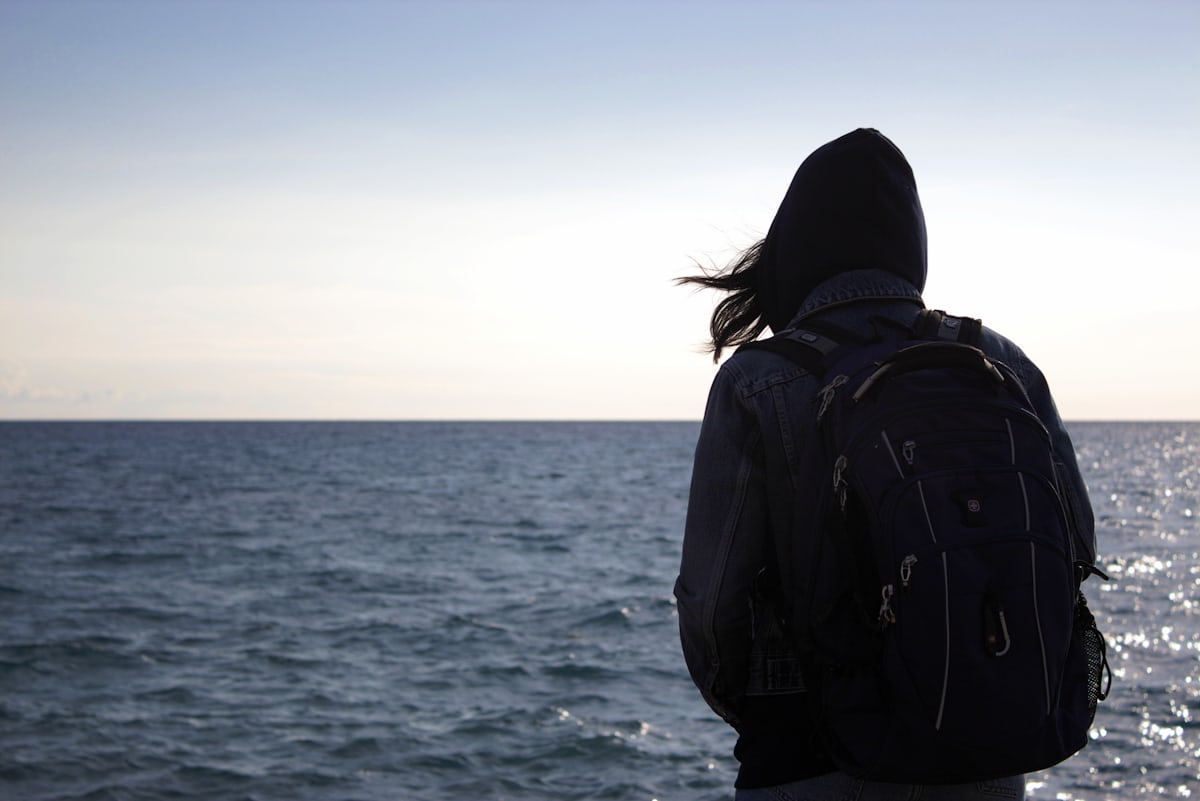

The feeling descends somewhere between Thursday evening and Sunday afternoon. You have completed your obligations, responded to the messages that demanded responses, performed the tasks that earn your living. And now you are horizontal, scrolling, waiting for Monday to restore structure to days that have become formless. You call it resting. You call it recovering. You call it boredom, that vague, persistent dissatisfaction with nothing in particular.
But what if the problem is not the absence of things to do but the absence of the right kinds of things? What if boredom is simply what happens when you confuse the main quest with the whole game?
What Are Side Quests?
In video game terminology, side quests are optional missions that exist outside the primary storyline. They offer rewards, reveal backstories, or simply provide a change of scenery. No one is required to complete them. The game can be finished without ever venturing down those paths. But players who ignore side quests often find themselves underpowered for the final battle, or worse, finished with the main story and wondering why they feel no desire to keep playing.
The same logic applies to life, and a growing number of people are applying it deliberately.
A side quest, in the real-world sense, is any activity undertaken not because it is required but because it is interesting. Not because it advances your career or improves your relationship or contributes to any measurable goal, but because it adds texture to existence. It is the coffee drunk alone without a phone to mediate the experience. The constellation learned not for any practical purpose but simply to recognise something in the night sky. The letter written to someone who will never receive it, the dish cooked from a country you have never visited, the walk taken before sunrise when the world belongs to no one.
These are not hobbies, exactly. Hobbies imply sustained commitment, skill development, the accumulation of competence over time. Side quests are more provisional. They can last twenty minutes or twenty days. They can be abandoned without guilt. They exist to be experienced, not mastered.
The idea has resonance because it names something many people feel but cannot articulate: the sense that life has become a series of obligations connected by intervals of empty recovery. Work, then recovery from work. Responsibilities, then recovery from responsibilities. The main quest consumes everything, and when it pauses, there is nothing left but the exhaustion of having done it and the dread of having to do it again.
What You Should Start Doing to Game Up!
Consider the list circulating among those who have embraced this philosophy. Wake before sunrise and walk without headphones. Take yourself to a coffee shop and sit alone, observing rather than scrolling. Learn ten constellations and find them in the night sky. Write a letter you will never send. Cook a dish from a country you have never visited. Read a physical book outdoors. Make a map of your favourite spots in your neighbourhood. Make bread from scratch. Take your usual route at a different time of day.
None of these require talent. None demand long-term commitment. None promise any return beyond the experience itself. That is the point. The reward for a side quest is not a better job or a more impressive resume or anything that can be posted for validation. The reward is the walk, the bread, the constellation recognised, the moment of doing something simply because you wanted to.
Start a small herb garden. Draw everyday objects for twenty minutes. Press leaves or flowers between the pages of heavy books. Practice calligraphy for a week—not to become good at it, but to see what it feels like to form letters deliberately. Create a playlist for this chapter of your life, the one you are living now, not the one you are planning for later.
Journal in a café and watch the people pass. Learn a basic self-defence move. Stretch your body in a way you have never stretched it before. Visit a museum alone, moving at your own pace, stopping at whatever catches your attention. Give a sincere compliment to a stranger and notice how it feels to say something true to someone who was not expecting it.
Attend a public talk on a subject you know nothing about. Go to an open mic night and listen to people brave enough to perform. Volunteer somewhere once, without posting about it, without anyone knowing you were there. Build something with your own hands, even if it is simple and imperfect. Fix something in your home that has been broken for months. Watch a classic movie from beginning to end, without checking your phone, without multitasking, just watching.
Do a twenty-four-hour social media detox and notice what arises in the silence. Photograph textures: the grain of wood, the weave of fabric, the pattern of cracks in old paint. Memorise a short poem and carry it with you, available whenever you need something to think about while waiting. Learn to make a perfect sauce—tomato, béchamel, whatever appeals—and understand that perfection is not the point, but the attempt is. Sit in silence for ten minutes and discover what silence actually sounds like.
The question is not whether you have time for these things. The question is whether you can afford to keep living as if the main quest is the only quest.
Boredom, after all, is not the absence of stimulation. It is the absence of meaning. Scrolling through social media provides endless stimulation and no meaning whatsoever. Side quests provide something smaller but more durable: the sense that you are living your actual life, not just managing its obligations.

What is your plan? Not for the career, not for the relationship, not for the big goals you have been taught to pursue. What is your plan for the spaces between, the hours that neither work nor rest seem to fill? What side quest will you undertake this week, not because you must, but because you can?
The beauty of side quests is that they require nothing but willingness. No equipment beyond what you already own. No skills beyond what you can learn in an afternoon. No permission from anyone. You simply decide, and then you do.
Rach Rose pinned down a few quests on Substack
Tomorrow morning, before sunrise, the world will be empty and quiet. You could be in it, walking without headphones, listening to the actual sounds of actual life. Or you could be in bed, waiting for the alarm, preparing to begin another day of the main quest.
The choice is yours. The side quests are waiting.