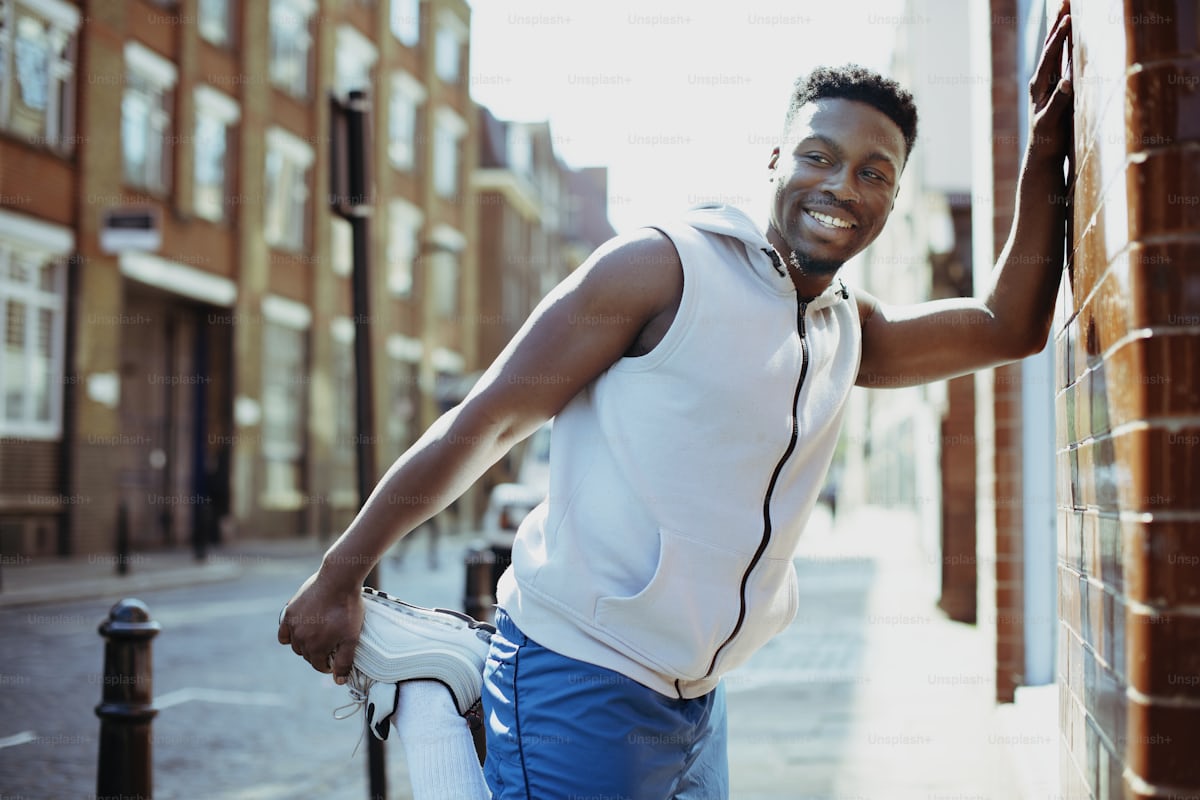

A spike in gym-related injuries and medical emergencies is forcing a critical question; is the gym truly for everyone, or is it a high-risk environment masked as a wellness sanctuary?
Beyond Nigeria, millions flock to gyms worldwide, driven by goals ranging from fat loss and fun to the potent desire, especially among men to build imposing chests and amplified muscle mass. But for a growing number, the post-workout reward isn’t endorphins; it’s pain, injury, or worse.

Recent reports detail individuals leaving the gym feeling “worse than before,” sparking debates over beginner’s fatigue versus fundamental physical mismatch.
The science of exercise is unequivocal about its benefits: improved cardiovascular health, stronger bones, mental clarity, and longevity. “Investing time in the gym is better than spending huge amounts on hospital bills,” argues Feyijimi, a Lagos-based gym instructor. “The gym is for everyone.”
But a chorus of caution is rising. Sunday Orunmolase, a professional fitness enthusiast, warns against the culture of overconfidence. “Many injuries stem from ego-lifting, trying to lift too much too soon,” he says. His advice: start gradually and seek proper guidance.
For some, however, even guided workouts have led to life-altering consequences. One anonymous gym-goer recounted suffering a partial paralysis after a routine session.
“The gym is not suitable for everyone,” he stated, his experience serving as a stark counter-narrative to the one-size-fits-all fitness mantra.
Health experts bridge the divide with a clear directive: listen to your body. “The body sends signals, discomfort, sharp pain, dizziness,” says a sports medicine physician. “Exercise should be tailored. What works for a 25-year-old athlete could be dangerous for a 50-year-old with undiagnosed hypertension.”
The core of the issue often lies not in the gym itself, but in the approach. Key risk factors include:
Lack of Professional Assessment: Undiagnosed heart conditions or musculoskeletal weaknesses can turn exercise into a trigger.
Poor Form & Overtraining: Pursuing rapid gains without technique leads to chronic injuries.
Psychological Pressure: Social media drives unrealistic comparisons, pushing people beyond their limits.
The solution, experts suggest, isn’t abandonment but intelligent adaptation. This includes mandatory pre-activity health screenings, personalized programs from certified trainers, and embracing scaled, sustainable fitness, whether that’s weightlifting, swimming, yoga, or walking.
“The goal shouldn’t be to look like someone else,” Orunmolase emphasizes. “It should be to become a healthier, stronger version of yourself, safely.”
As the global fitness industry booms, the message is shifting from “no pain, no gain” to “train, don’t strain.” The gym’s doors may be open to all, but the journey inside requires a map, one charted by self-awareness, professional guidance, and respect for the body’s silent, yet non-negotiable, limits.