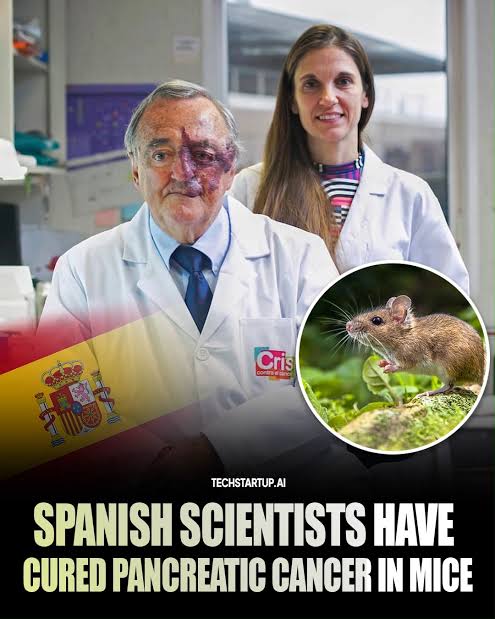

A Spanish research team has developed a triple-drug therapy that completely eradicated aggressive pancreatic tumors in mice, with no signs of relapse after treatment.
The study, led by pioneering oncologist Dr. Mariano Barbacid at Spain’s National Cancer Research Centre (CNIO), is a rare moment of unambiguous hope in a field where long-term survival remains dismally low.
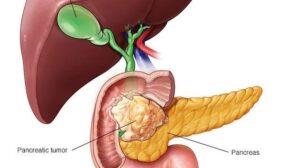
Pancreatic ductal adenocarcinoma, the most common form of pancreatic cancer, kills more than 90% of patients within five years, largely due to its ferocious resistance to existing treatments.
Published in the prestigious journal PNAS, the research reveals that simultaneously targeting three key points in the KRAS oncogene pathway, a genetic driver mutated in roughly 90% of pancreatic cancers led to long-lasting tumor regression in animal models. The results suggest that only a multi-pronged pharmacological assault can outmaneuver the tumor’s notorious adaptability.
“These studies open a way to design new combination therapies that can improve the survival of patients,” the authors stated, adding that the findings “set the direction for the development of new clinical trials.”
For Barbacid, the scientist who co-discovered the first human oncogene in the 1980s, this breakthrough is the culmination of decades of focused work on KRAS-driven cancers, long considered “undruggable.”
His hypothesis has been consistent: pancreatic cancer cannot be defeated with a single drug. Only coordinated inhibition of multiple survival pathways can corner and collapse it.
Independent experts not involved in the study have taken note. Durable, relapse-free responses in pancreatic cancer models are exceptionally rare, making these results a significant milestone. “What stands out is the completeness of the response and the absence of recurrence,” remarked one U.S.-based pancreatic cancer researcher who reviewed the paper. “In this disease, that’s almost unheard of.”
In Spain, where more than 10,300 people are diagnosed with pancreatic cancer each year, the findings spark cautious optimism. While translating success from mice to humans remains a formidable challenge, Barbacid’s triple-therapy strategy offers a clear and compelling blueprint for future clinical trials.