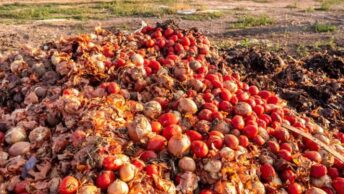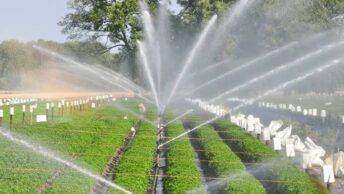
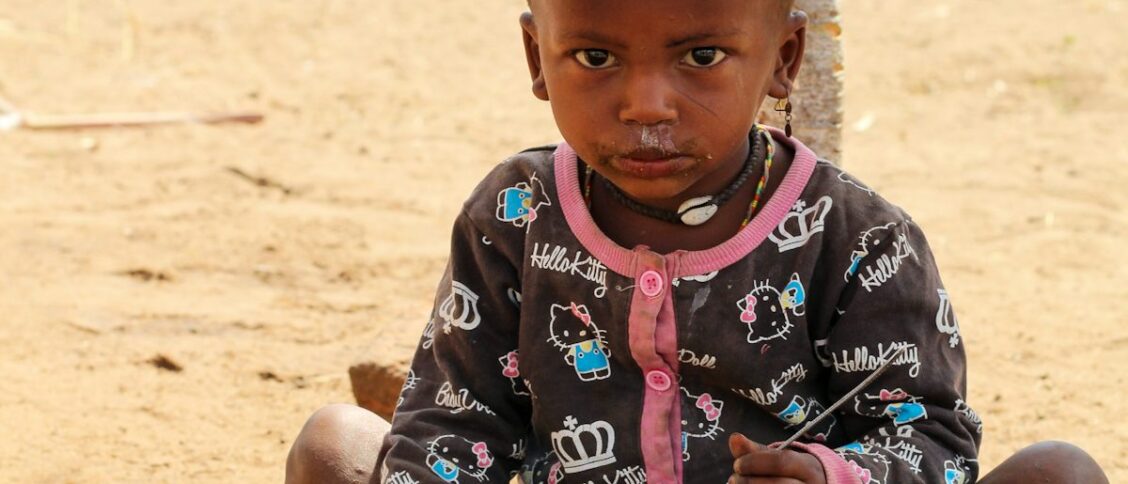

Nigeria is battling an existential food crisis, one armoured and self made.
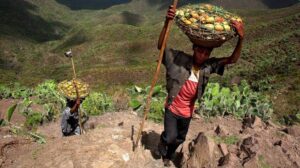
A leading agricultural expert has raised the alarm over the escalating food crisis, linking it directly to widespread insecurity that has disrupted farming in 14 major agricultural states and forced the abandonment of approximately 4.2 million hectares of farmland since 2020.
Professor Demo Kalla, a Professor of Animal Science and Livestock Policy Strategist at Abubakar Tafawa Balewa University (ATBU), Bauchi, issued the warning while calling for urgent action from state and federal leaders to improve security, boost production, and tackle severe food insecurity.
Professor Kalla lamented the compounding effects of surging food inflation, now above 32 percent and a hefty N1.5 trillion food import bill as of the first quarter of 2024. He identified the farmer-herder crisis, population growth, climate change, and insurgency as key factors undermining Nigeria’s potential for food security.
“Agriculture presently contributes about 25 percent of Gross Domestic Product, but it is desired to increase its contribution to 45 percent. A secure Nigeria is a food-secure Nigeria,” Kalla stated. “The country’s major dependence on food imports is hurting local production, reducing local farmer welfare, and contributing to increasing unemployment.”
Citing alarming statistics, Kalla noted that 26.8 percent of Nigerians are food insecure, with an agricultural growth rate of only 2.1 percent and a child stunting rate of 37 percent. He described the situation as both a challenge and an opportunity for import substitution through increased domestic production.
While acknowledging positive policies like the declaration of a state of emergency in the food and nutrition sector, Kalla expressed concern over policy inconsistencies and institutional weaknesses, such as frequent shifts in import bans, tariffs, and subsidy programs, which he said create uncertainty for investors.
The warning comes as the latest Cadre Harmonisé (CH) report projects that 34.7 million people across 27 states and the Federal Capital Territory will face food insecurity or worse between June and August 2026.
The report, led by the Federal Ministry of Agriculture and Food Security with support from the UN Food and Agriculture Organisation (FAO), World Food Programme (WFP), and other partners, also estimates that 650,730 internally displaced persons in Borno, Sokoto, and Zamfara states will be in a food crisis during the same period.
Currently, some 27.2 million people across 27 states are classified as food insecure, including 485,109 IDPs. The Northeast remains particularly vulnerable, with projections of 1.4 million food-insecure people in Adamawa, 2.9 million in Borno, and 1.6 million in Yobe during the 2026 lean season.
To this end, Professor Kalla stressed that without stronger security interventions and consistent, well-coordinated agricultural policies, Nigeria’s food production challenges and humanitarian outlook will continue to deteriorate.