
As political landscapes shift and the voices of youth grow louder in movements from climate strikes to digital activism, one radical proposal keeps resurfacing: should the voting age be lowered to include children?
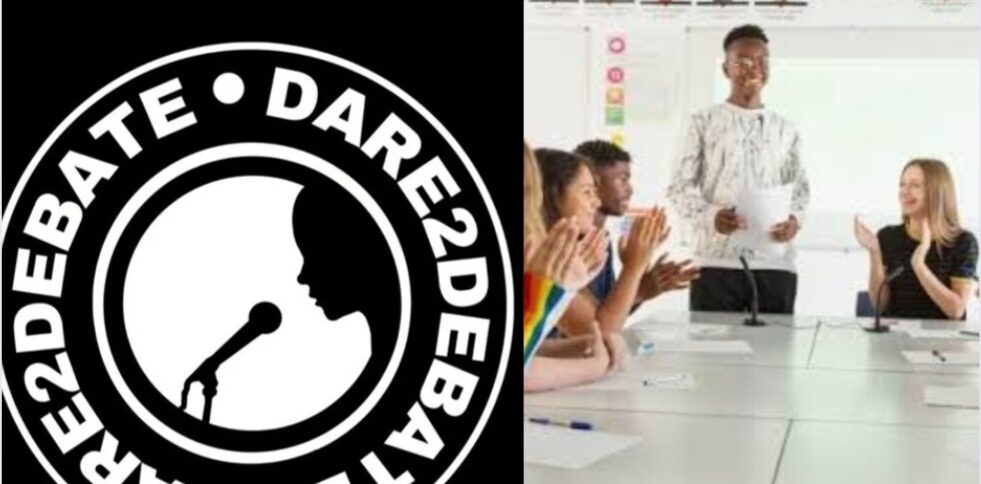
This month, December – precisely on the 13th, students in Lagos will step onto a public stage to debate this very question, a sign of how deeply young people are engaging with the architecture of democracy itself.
Organised by HACMedia and backed by the Lagos State Ministry of Basic and Secondary Education, the Dare2Debate competition on December 13 is positioning itself as more than a school exercise. It’s a microcosm of a global conversation about who gets to participate in democracy, and when.
Advocates argue that excluding those under 18 from voting creates a “democratic deficit” silencing a segment of society most affected by long-term decisions on education, environment, and public debt.
UNICEF notes that while adolescents make up 16% of the global population, only a fifth of them are eligible to vote in most countries. Extending voting rights, supporters say, would affirm that their views matter beyond symbolic consultation.
But sceptics urge caution. They question whether younger teens possess sufficient political knowledge, life experience, or resistance to peer or parental influence to cast a truly independent vote. Is enfranchisement a right of age, or of maturity?
Around the world, the experiment is already in motion. In Austria, 16-year-olds vote in all elections. In Scotland and Wales, they can vote in local and devolved parliament elections. Germany, Brazil, Argentina and several other nations have also lowered the voting age to 16 for certain polls, framing it as a way to boost lifelong civic engagement.
“This debate isn’t coming from nowhere,” notes Dare2Debate lead coordinator, whose platform has quickly become one of Nigeria’s most watched youth dialogue spaces. “Today’s Nigerian students are digitally informed, globally aware, and passionate about issues that will shape their adulthood. They’re asking why they’re deemed responsible enough to be affected by policies, but not to help choose them.”
As Lagos prepares to host this spirited exchange, the question lingers: are we witnessing the first stirrings of a new democratic frontier, or a well-intentioned overreach? One thing is certain: the debaters won’t just be speaking for points. They’ll be giving voice to a generation waiting, some say impatiently for a seat at the table.
Dare2Debate takes place on December 13, 2025. For updates, follow