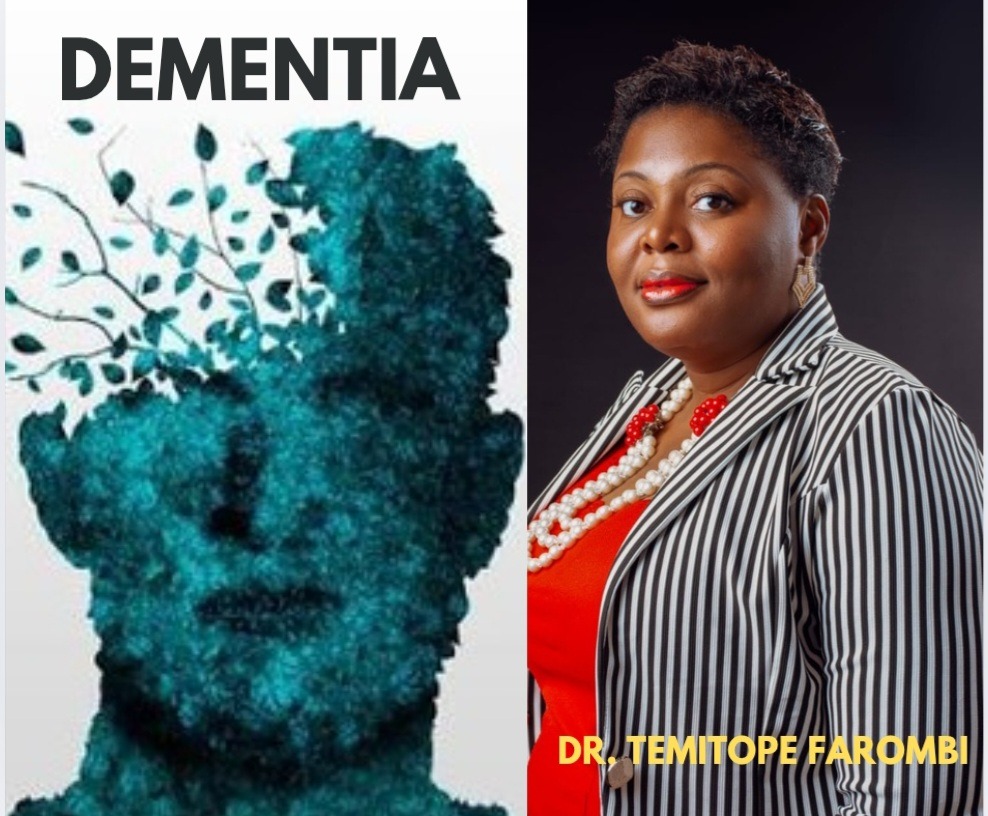

Nigeria is witnessing a troubling rise in early-onset dementia, and lifestyle habits particularly the widespread use of loud headphones and earphones, are emerging as major contributors among young adults, a neurologist has warned.

Speaking with JOLLOFMASH recently, a dementia specialist Dr. Temitope Farombi revealed that although the condition is traditionally associated with older adults, recent trends show an increasing number of cases among Nigerians in their 30s and even late 20s.
She noted that “over 20 million Nigerians aged 60 and above are at risk of developing cognitive decline,” but expressed deeper worry about the growing pattern among younger age groups.
Dr. Farombi explained that one of the most overlooked but scientifically proven risk factors is hearing loss, often caused by prolonged exposure to loud music through earphones, headphones, or earpods. Many young Nigerians, she said, are unknowingly damaging their hearing, a development that significantly increases the likelihood of dementia later in life.
She warned that, “Hearing difficulty is a major risk factor. Constant loud earphone use is putting many young people at risk of early cognitive decline.”

Beyond hearing loss, she identified other major risk factors contributing to the rise, including untreated hypertension and diabetes, high cholesterol levels, sedentary lifestyles, excessive smoking and alcohol consumption, chronic stress, depression, and severe sleep deprivation.
Social isolation and the pressures of modern living, especially among young adults, have also been shown to weaken cognitive resilience.
The neurologist expressed concern that many Nigerians still mistake dementia symptoms for spiritual attacks, witchcraft, or mental illness, leading families to seek help in religious centres or from traditional healers rather than medical professionals. This, she noted, causes dangerous delays in diagnosis and worsens the condition. In many cases, families hide affected relatives due to shame or stigma, aggravating both psychological and physical decline.
Dr. Farombi advised Nigerians to pay attention to early warning signs such as forgetfulness about recent events, repeatedly misplacing items, struggling to recall familiar names or places, withdrawing from social activities, and noticeable mood changes. She cited real-life examples, including individuals who forgot they drove their own vehicles to events and returned home without them.
While dementia has no cure, she stressed that it is manageable and, more importantly, largely preventable. According to her, up to 70 percent of cases can be avoided through maintaining healthy blood pressure and blood sugar levels, protecting hearing, staying socially engaged, reducing stress, regulating sleep patterns, and adopting healthier lifestyle habits.
She stressed further that:
“We cannot stop aging, but we can significantly reduce the risk.”
The neurologist urged Nigerians to prioritise early testing and medical consultation once memory issues or behavioural changes become noticeable. She called for greater public awareness, stronger community support systems, and sustained health education to combat stigma and prevent needless suffering.
Dementia is not a death sentence. Early detection improves quality of life, and seeking help should never be a source of shame.