Insecurity: Retired Army Captain Faults FG’s “Rhetoric,” Seeks Overhaul of Safe School Initiative, Technology and Policing

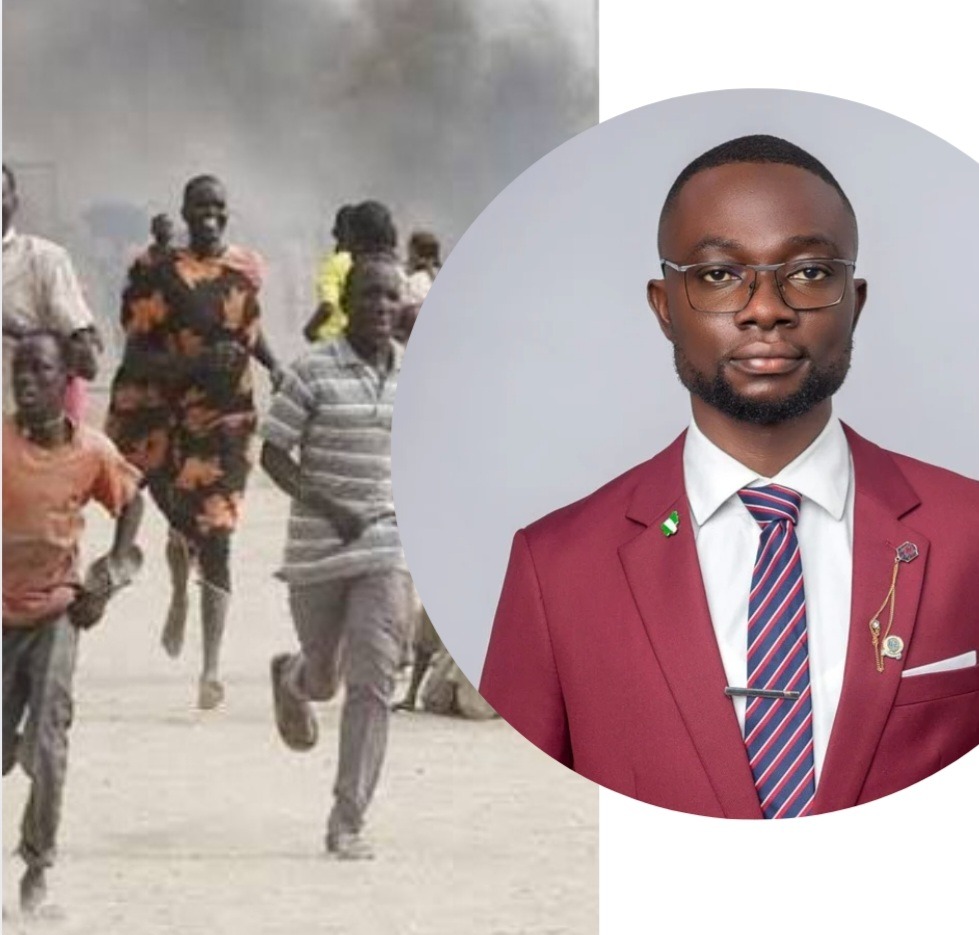
A retired army captain, Dr. Luqman Gidado, has criticised the Federal Government’s handling of Nigeria’s worsening security crisis, warning that the country can no longer rely on what he described as “political clichés and recycled assurances.”
Speaking on Adamimogo 105.1FM Ibadan top flagship current affairs programme, Inside Scoop, Gidado said the scale and frequency of abductions across states show that government responses remain slow, reactive, and heavily rhetorical rather than systemic.
He referenced the recent kidnapping of schoolchildren in Kebbi and Niger States, as well as church members abducted in Kwara, noting that Nigeria’s Safe School Initiative, designed to prevent such attacks, has not been properly implemented.
According to him, the Nigerian Security and Civil Defence Corps (NSCDC), which has the mandate to secure schools, has been left without adequate logistics, manpower, or funding.
“The NSCDC will not secure schools with sticks,” he said. “They need vehicles, accommodation, welfare, and proper deployment. Enough of setting up initiatives without implementation.”
Gidado urged the Federal Government to empanel a committee to work with NSCDC leadership to assess schools nationwide and determine the exact logistics required to revive the Safe School Initiative. He stressed that each school must have adequate personnel, not two or three officers but “a sizeable number capable of repelling attacks.”
Commenting on the closure of unity schools in some regions, Gidado said parents’ fears were understandable given the fragile security environment. He faulted the mixed signals from the Ministry of Education, insisting that Nigerians need assurance backed by visible security deployment.
“Parents will not leave their children in schools when they don’t feel protected,” he said. “Government must restore confidence through real action, not statements.”
On President Bola Tinubu’s recent directive withdrawing police escorts from VIPs, Gidado described the move as overdue and necessary. He said police officers should not be guarding celebrities and public figures at a time the country is grappling with manpower shortages in crime-prone communities.
He added that previous Inspector-Generals had made similar announcements without implementation, expressing hope that a presidential directive would bring stronger compliance.
Gidado dismissed rumors circulating on social media that Nigerians aged 18 and above might be compelled to join the military due to rising insecurity.
“The military is a voluntary service,” he said. “Nobody will force you to join, and nobody will force you to stay.”
The retired captain acknowledged recent successes in the rescue of abducted pupils in Niger State and church members in Kwara State, praising security agencies for intensified operations. However, he warned that isolated successes should not distract from deeper structural problems.
“It’s not about celebrating miracles; it’s about preventing recurrence,” he said.
Gidado stressed that modern security challenges require a blend of manpower and technology. He called for drones, surveillance tools, precision-target equipment, and better coordination among the military, police, and civil defence units.
He also urged the government to address poverty, unemployment, poor infrastructure and other root causes that help fuel insecurity, warning that ignoring these would prolong the crisis.
“Security issues must be tackled using both kinetic and non-kinetic approaches,” he advised. “This administration must act with urgency because time is already running.”
According to Gidado, the Federal Government must act swiftly and decisively, as the current realities demand urgent intervention. He cautioned that prolonged delays could invite both local frustration and international concern, increasing pressure on the administration.