


Ultra-processed foods (UPFs) may be quietly driving a global health crisis, according to a major new review by international experts.
The report warns that the world’s growing dependence on cheap, highly processed meals is putting billions at greater risk of chronic illnesses, from obesity and depression to heart disease and early death.
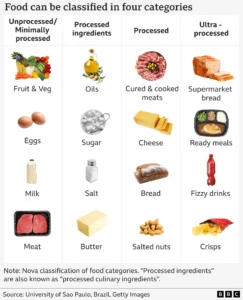
The findings, published in The Lancet, argue that a steady shift away from fresh, whole foods toward industrially manufactured products is damaging diets worldwide. Researchers are asking governments to “step up” by placing warning labels on UPF products and imposing higher taxes to help fund access to healthier, more nutritious options.
But the report has also sparked controversy. Some scientists caution that the review cannot conclusively prove that UPFs directly cause health problems, stressing the need for more rigorous clinical trials to understand the biological mechanisms involved.
Ultra-processed foods, typically containing more than five industrial ingredients such as emulsifiers, preservatives, additives, dyes, and sweeteners, have become increasingly common in diets across the world. Examples include sausages, pastries, instant noodles, fizzy drinks, supermarket bread, crisps, biscuits, and many packaged snacks.
Surveys show these foods are rapidly replacing traditional meals, contributing to excess sugar, harmful fats, and reduced fibre and protein intake.
The comprehensive review, conducted by 43 global experts and based on 104 long-term studies, links UPFs to 12 major health conditions, including type 2 diabetes, cardiovascular disease, kidney disease, depression, and premature death from any cause.
Review author Prof. Carlos Monteiro of the University of São Paulo, whose team pioneered the NOVA food classification system—warned that global diets are being reshaped by powerful food corporations.
“Ultra-processed foods are displacing fresh and minimally processed meals,” he said. “This shift is driven by companies generating huge profits, backed by aggressive marketing and political lobbying that blocks effective public health policies.”
Co-author Dr. Phillip Baker of the University of Sydney likened the challenge to past battles with big tobacco, saying only a strong, coordinated global response will be effective.
While the review acknowledges gaps in clinical trial evidence on exactly how UPFs affect the body, it emphasises that uncertainty should not delay urgent action. The authors argue that the potential harms are too significant, and too widespread—to ignore.