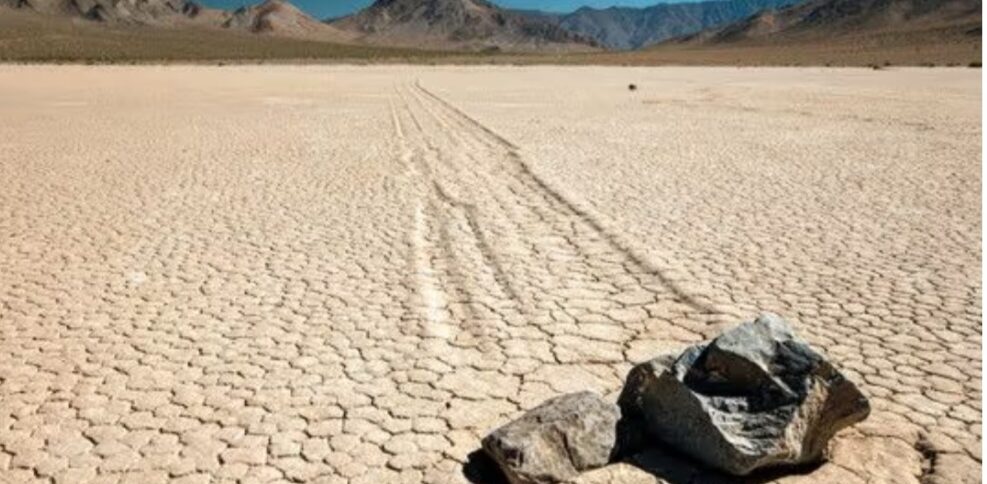

We often think of rain as a constant part of life—storms rolling in, showers feeding rivers and lakes, or just the soft, misty drizzle that refreshes landscapes. But there are places on our planet where rain is almost a foreign concept, places where the skies are clear for years, even decades. For those fascinated by the extreme wonders of nature, here are five of Earth’s most arid, rain-starved places where rain is only a myth.
1. The Atacama Desert, Chile
The Atacama Desert, stretching along Chile’s Pacific coast, is often considered the driest place on Earth. This vast, otherworldly landscape, with its endless salt flats and rugged mountains, has some areas that haven’t seen rain for centuries. Scientists are drawn here to study soil as dry as Mars, and travelers come to witness the harsh beauty of this desert where life clings on in surprising ways. Despite the lack of rain, the Atacama occasionally bursts into vibrant color when rare moisture allows wildflowers to bloom, making for an unforgettable spectacle.

2. The Dry Valleys, Antarctica
Antarctica might seem an unlikely candidate for a rainless landscape, yet its Dry Valleys are one of the most extreme desert environments on the planet. Shielded from snowfall by nearby mountain ranges and kept bone-dry by katabatic winds—powerful gusts that sweep away any moisture—the Dry Valleys see almost no precipitation year-round. Their barren, icy terrain is so desolate that scientists use it as a model for studying conditions on Mars. It’s a place of haunting beauty, with frozen lakes and stark rock formations, showing us how life adapts—or doesn’t—in the harshest conditions.
3. The Sahara Desert, Northern Africa
The Sahara, synonymous with endless sands and scorching sun, is another place where rain rarely falls. Covering much of North Africa, this iconic desert experiences long periods of drought, with some areas receiving less than an inch of rain per year. Yet, despite its unforgiving nature, the Sahara is filled with fascinating landscapes, from vast dune seas to rugged rock plateaus, and it’s home to resilient cultures that have adapted to the relentless heat and aridity. Here, rain is not only rare; it’s revered, and when it does fall, it changes the desert in magical ways.
4. The Arabian Desert, Saudi Arabia
Another vast stretch of rainless earth is the Arabian Desert. Spanning across Saudi Arabia and neighboring countries, this desert sees clear skies for most of the year. Some areas go without rain for years on end, enduring blistering heat in summer and surprisingly cold nights in winter.
The Arabian Desert isn’t only sand, though—its rolling dunes hide oases and unique flora and fauna, proving that life can flourish even in one of the most arid environments. When rain does arrive, it brings a temporary, almost surreal vibrance to the otherwise dusty landscape.
5. The Namib Desert, Namibia
In Southern Africa lies the Namib Desert, a stretch of arid beauty that’s among the world’s oldest deserts. Thought to be around 55 million years old, this ancient desert has regions where rainfall is practically nonexistent.
Yet, the Namib harbors incredible life: fog, driven inland from the Atlantic Ocean, is the primary water source, sustaining everything from fog-harvesting beetles to desert-adapted elephants. The Namib’s surreal, orange-red dunes and eerie, barren landscapes offer a profound sense of timelessness, making it one of the world’s most intriguing deserts.
What makes it Fascinating
What makes these rainless places so captivating isn’t just their striking landscapes; it’s the resilience of life that adapts to such severe conditions. From unique flora and fauna to ancient human cultures that have thrived here for centuries, these environments reveal the incredible adaptability of life. In the Namib, fog provides enough moisture for entire ecosystems, while in the Sahara, certain oases remain lifelines in a seemingly uninhabitable land.
The Science Behind the Aridity
But why do these places remain rainless? Each of these deserts sits in unique climatic zones that either prevent moisture-laden winds from arriving or remove any trace of moisture from the air.
For instance, the Atacama lies in a rain shadow, blocked by the Andes mountains, while the Sahara is affected by the subtropical high-pressure belt. Understanding these unique patterns sheds light on why these places are so arid.
Desert Wonders for the Adventurous
For travelers with a taste for adventure, these rainless places offer a different kind of thrill. Exploring the endless sands of the Sahara, the alien-like landscapes of the Dry Valleys, or the fog-kissed dunes of the Namib promises an experience unlike any other. These destinations provide moments of awe, where nature’s beauty, even in its harshest forms, leaves a lasting impression.
For scientists and explorers alike, some of these deserts, especially the Atacama and the Dry Valleys, serve as analogs for Mars.
Their extreme aridity, coupled with minimal microbial life, make them ideal places to test equipment and theories for future missions to Mars. Visiting these deserts offers us a glimpse into what life—or the lack thereof—might look like on our neighboring planet.
In learning about these parched places, we’re reminded of the Earth’s diversity and its capacity to hold wonders we can hardly imagine.